For NHS clinical governance teams, identifying patient safety risks is only the beginning. The greater challenge is demonstrating that lessons from incidents, complaints and audits have led to meaningful changes in clinical practice.
An incident may be investigated, recommendations approved and actions marked complete. But without evidence that those actions have improved care, the organisation cannot be certain that the underlying safety risk has been addressed.
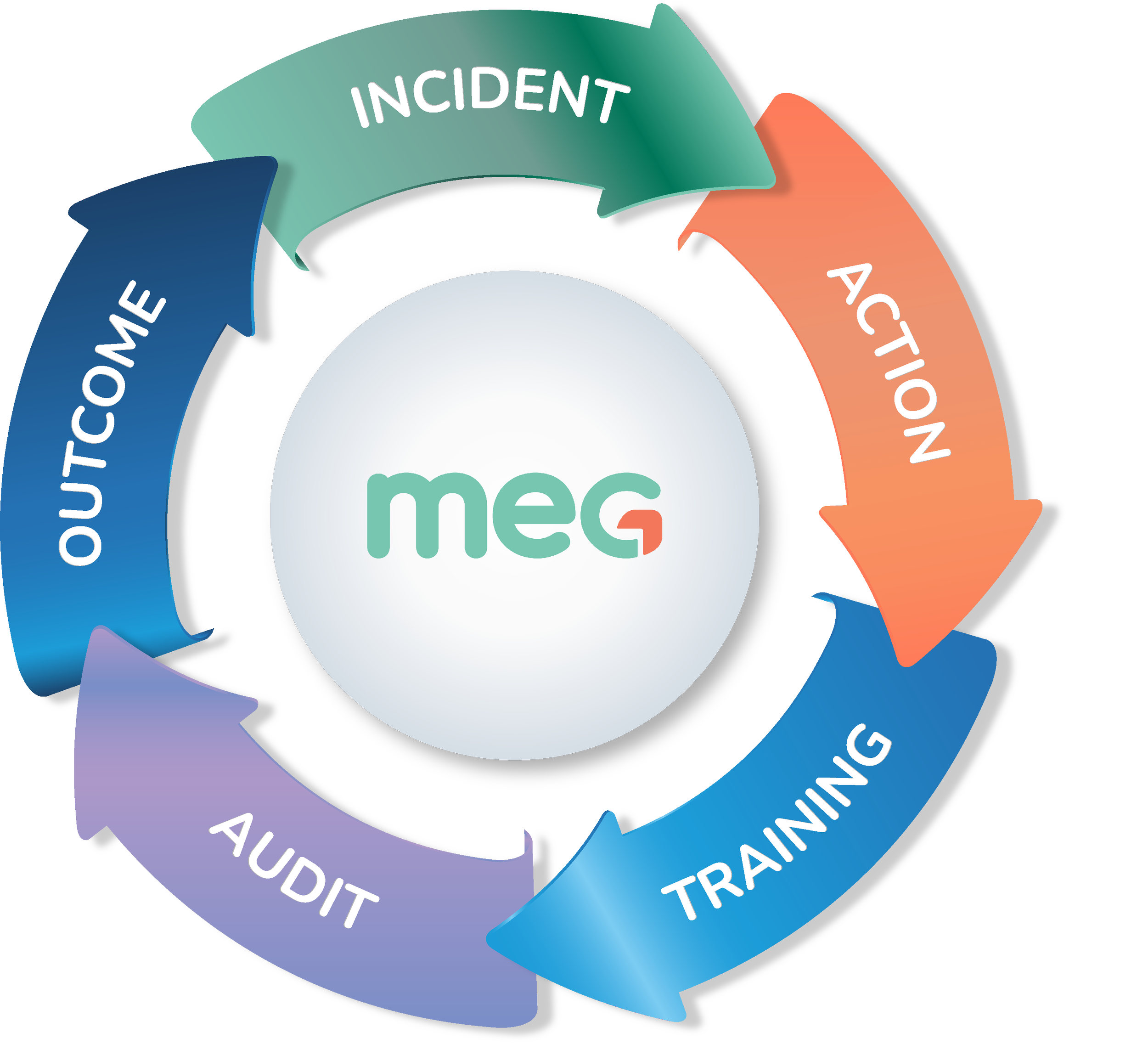
Closed-loop learning connects the identification of a safety issue with the implementation, evaluation and sustained effectiveness of improvements. It provides NHS trusts with a structured approach to moving beyond completed action plans towards demonstrable patient safety improvement.
This is particularly relevant to the NHS Patient Safety Incident Response Framework (PSIRF) and the Care Quality Commission's (CQC) expectations around learning culture, governance and continuous improvement.
Drawing on MEG's experience supporting NHS quality and governance teams, this article explores how to embed closed-loop learning into everyday practice, including a six-stage framework and the evidence needed to demonstrate improvement.
What Is Closed-Loop Learning in NHS Clinical Governance?
Closed-loop learning is a continuous improvement process that ensures insights from patient safety incidents, clinical audits, complaints and staff concerns result in implemented and evaluated changes to healthcare delivery.
Rather than treating incident investigations and action plans as separate activities, it connects the entire improvement journey.
For example, an incident may reveal inconsistent adherence to an infection prevention procedure. The organisation reviews the contributing factors, updates relevant guidance, implements an appropriate intervention and subsequently audits clinical practice to establish whether the intended improvement has occurred.
The learning loop is not closed simply because the policy was updated or staff completed training. Closure requires proportionate evidence that the intervention was implemented and its effectiveness assessed.
The distinction is between completing an action and demonstrating that the action has achieved its intended safety objective.
Why Do NHS Clinical Governance Teams Struggle to Close the Learning Loop?
Even well-established clinical governance teams can struggle to demonstrate the impact of their improvement activities.
One challenge is the fragmentation of information across different systems. Patient safety incidents may be recorded in one platform, clinical audits managed through spreadsheets, and improvement actions monitored through separate departmental trackers.
This creates a disconnect between the original safety concern and the evidence of subsequent improvement.
For governance leads, the difficulty is not necessarily identifying outstanding actions. It is establishing whether an intervention has been implemented consistently, whether the original risk remains and whether further improvement is necessary.
Another challenge is the distinction between administrative completion and clinical effectiveness. A completed action plan may demonstrate that a recommendation was implemented, but it does not necessarily establish that the intervention addressed the contributory factors identified during the learning response.
Consider a trust that reports 100% completion of mandatory refresher training following an infection prevention concern. Although the training record provides evidence of participation, it does not establish whether staff are consistently applying the expected practices.
A follow-up audit or other appropriate effectiveness measure would provide stronger assurance.
This is where connected governance processes become essential: they enable teams to move from documenting activity towards evaluating its impact.
The Six-Stage Closed-Loop Learning Framework for NHS Trusts
A structured learning loop can help NHS clinical governance teams establish a consistent approach across departments while allowing flexibility for different clinical settings.
The following six-stage model connects the initial safety concern with the evidence required to evaluate improvement.
Stage 1: Identify the Safety or Quality Concern
The learning process begins with an incident, complaint, clinical audit finding, patient feedback or concern raised by a member of staff.
The priority is to capture sufficient information to understand the issue and determine whether immediate risk mitigation or further learning is required.
Where similar concerns have been reported previously, teams should consider whether they indicate a wider pattern rather than treating each occurrence in isolation.
Stage 2: Analyse Contributory Factors and Identify Learning
The next stage involves understanding why the issue occurred and identifying opportunities for improvement.
Depending on the nature of the concern, this may involve a PSIRF learning response, thematic review, multidisciplinary discussion or analysis of existing governance data.
A system-based approach considers how factors such as workload, equipment, communication, processes and working conditions interact to influence patient safety.
The purpose is to identify actionable learning rather than automatically attributing incidents to individual performance.
Stage 3: Develop and Assign Improvement Actions
Once improvement opportunities have been identified, they must be translated into clearly defined interventions.
Actions may include changes to clinical pathways, policies, communication processes, equipment, working environments or other safeguards.
Each action should have an accountable owner, an appropriate timescale and a defined method for evaluating effectiveness.
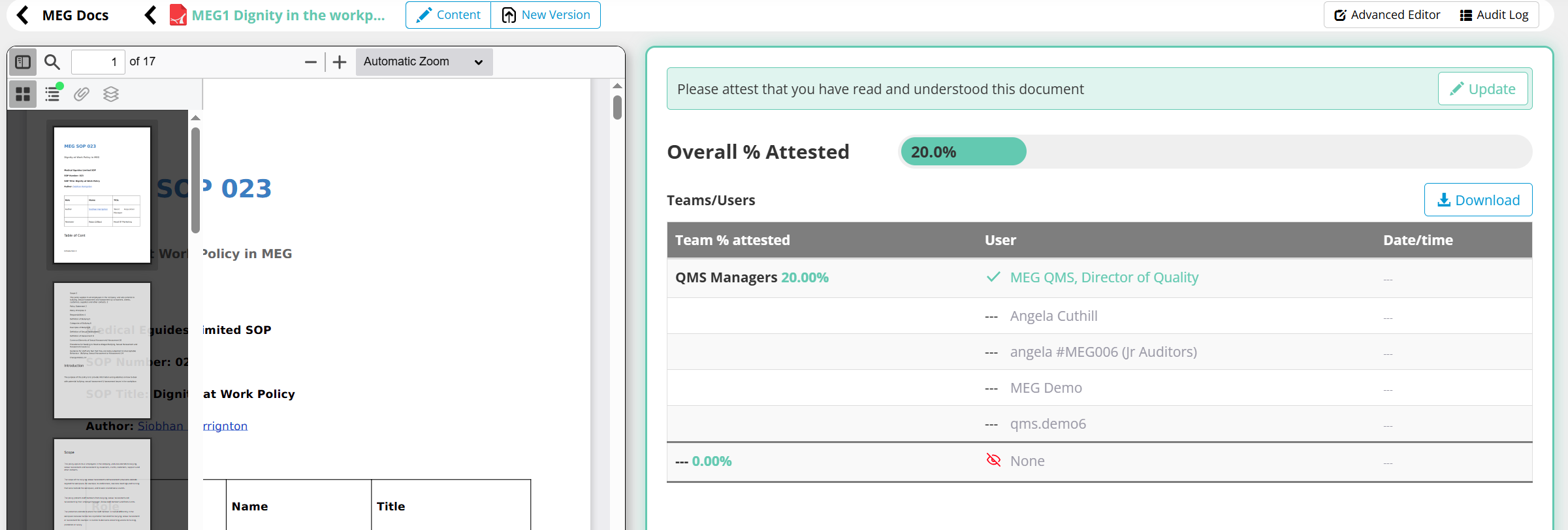
Where a policy or standard operating procedure requires updating, the revised guidance should be accessible to relevant staff and linked to the corresponding improvement activity.
Stage 4: Implement Changes and Support Staff
Effective implementation requires more than distributing an updated policy or communicating a new procedure.
Teams need to consider how the intervention will work within everyday clinical practice, whether staff require additional support and whether operational barriers could affect adoption.
Training or competency development may be appropriate, but these should be selected according to the contributory factors identified rather than treated as the default response to every safety concern.
The emphasis should remain on implementing sustainable changes to the system of care.
Stage 5: Audit and Verify Effectiveness
This is one of the most important stages of the learning loop.
Once an intervention has been implemented, the organisation needs a proportionate method of establishing whether it has achieved its intended objective.
Depending on the improvement, this may involve targeted clinical audits, observational assessments, process reliability measures, staff feedback or analysis of relevant patient safety outcomes.
For example, where a revised clinical procedure has been introduced, a follow-up audit can establish whether practice reflects the updated standard.
The evaluation should distinguish between evidence that an action took place and evidence that the intended improvement occurred.
Stage 6: Review Outcomes and Close the Loop
The final stage involves reviewing the effectiveness evidence and determining whether the safety concern has been adequately addressed.
If the intervention has not achieved the intended outcome, the organisation should revisit the contributory factors, adapt its approach or introduce additional safeguards.
Where improvement has been demonstrated, the findings should be communicated to relevant teams and incorporated into governance reporting.
Some risks will require ongoing monitoring even after an individual action has been closed. Therefore, administrative closure should not be confused with the elimination of risk.
A learning loop is effectively closed when the organisation can demonstrate what changed, evaluate whether the change worked and identify any further monitoring required.
How MEG Supports Teams in Closing the Loop
MEG's experience with NHS organisations illustrates the operational benefits of making improvement activities more visible.
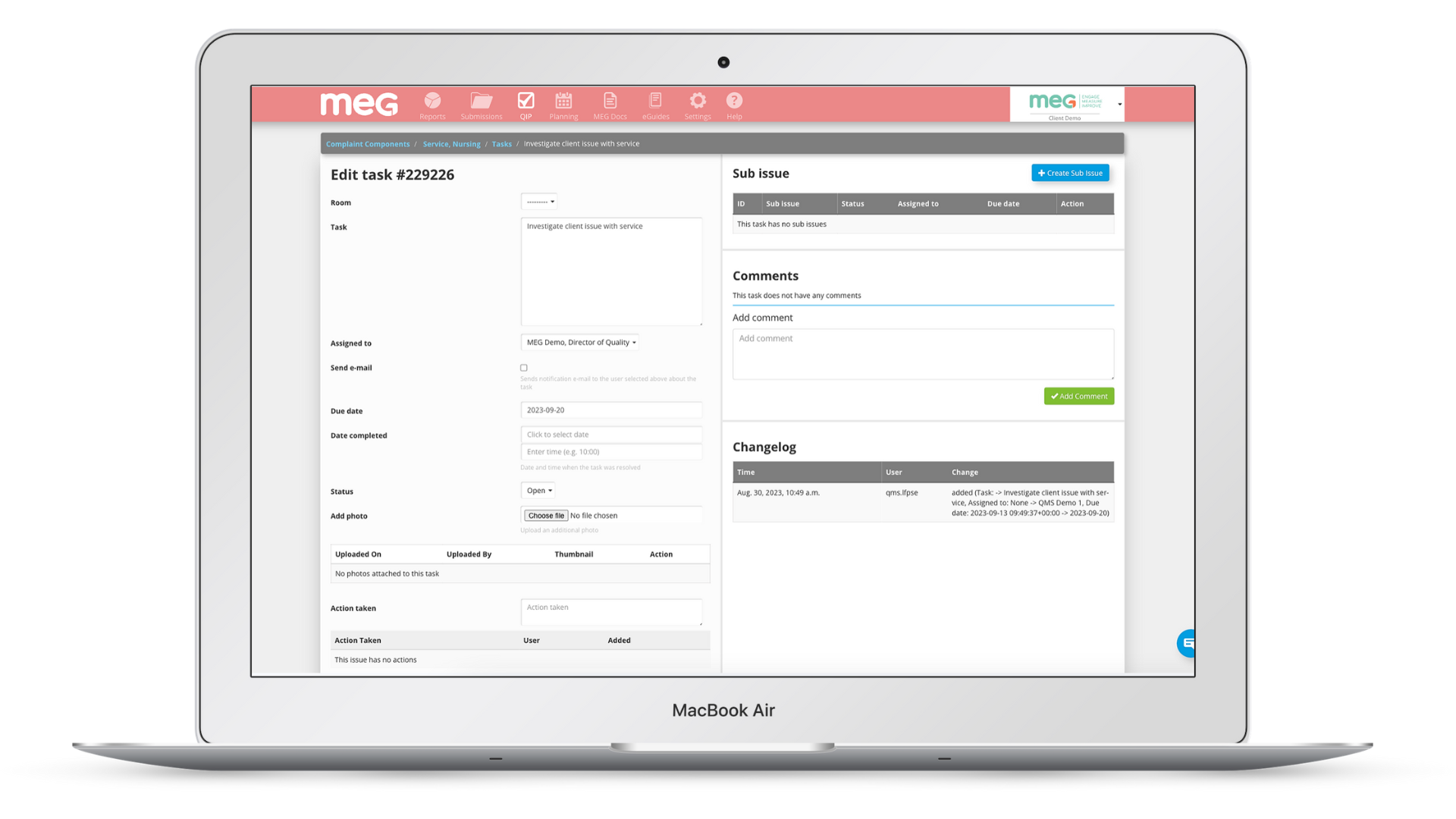
One NHS trust reported a reduction of more than 40% in its average learning-loop closure time through the use of MEG's Action Planning tool.
Another developed domain-level dashboards to strengthen board-level visibility of quality and governance activities.
These examples demonstrate how digital workflows can improve the coordination and monitoring of governance activities. However, faster administrative closure should always be considered alongside evidence that improvement actions have achieved their intended clinical objectives.
Read our case studies