Harnessing the Patient Voice for Better Care: MEG’s Patient Experience Module

This blog post is the final one in the series "Elevating Patient Experience in 2024" — a comprehensive guide where we discuss the various elements of patient experience, the role of tools like feedback and complaint forms, strategies organisations can implement to create a holistic and positive care experience, MEG's Patient Experience Module, and more. Read the previous blogs here:

  1. Patient-Centered Care: Strategies and Tools for Effective Patient Feedback

  2. Strategies for Success: A Comprehensive Guide to Improving Patient Experience in Healthcare

  3. Emerging Tech Trends Reshaping the Future of Patient Experience

This piece is a deep dive into MEG's Patient Experience Module. We'll discuss some of the key features and functionalities of the software, what makes it unique, and how healthcare organisations can leverage it to transform how they interact with and care for their patients.

Harnessing the Patient Voice for Better Care

For as long as one can remember, healthcare has traditionally conformed to a top-down model, where healthcare decisions were made by relying on medical expertise alone. However, today, the tides are changing. Organisations across the globe are increasingly recognising the significance of listening to the unique insights, concerns, and lived experiences of patients, and incorporating them into the healthcare framework to deliver patient-centric, safe, and effective care.

Simply put, harnessing the patient's voice for better care means empowering patients to actively participate in the decision-making process. This approach allows healthcare providers to gain a comprehensive understanding of individual needs, preferences, and challenges, cultivating a collaborative partnership rooted in transparent communication. This results in patients feeling acknowledged and valued, and are more likely to adhere to prescribed treatment plans, leading to improved clinical outcomes.

Today, technology plays a large part in amplifying the patient's voice — from electronic health records that allow them to access and understand their medical information to virtual patient advocacy groups that enable them to share their experiences and advocate for their needs. Concurrently, healthcare organisations are increasingly leveraging tools to collect and analyse patient feedback, identify areas for improvement, and enhance overall care quality.

That's where MEG's Patient Experience Module comes in. Our software is designed to transform how healthcare providers gather and interpret patient feedback and the patient voice, leading to more informed and effective care strategies. It enables a comprehensive understanding of the patient experience, care quality, and patient satisfaction through the following offerings:

1. Comprehensive feedback and analysis

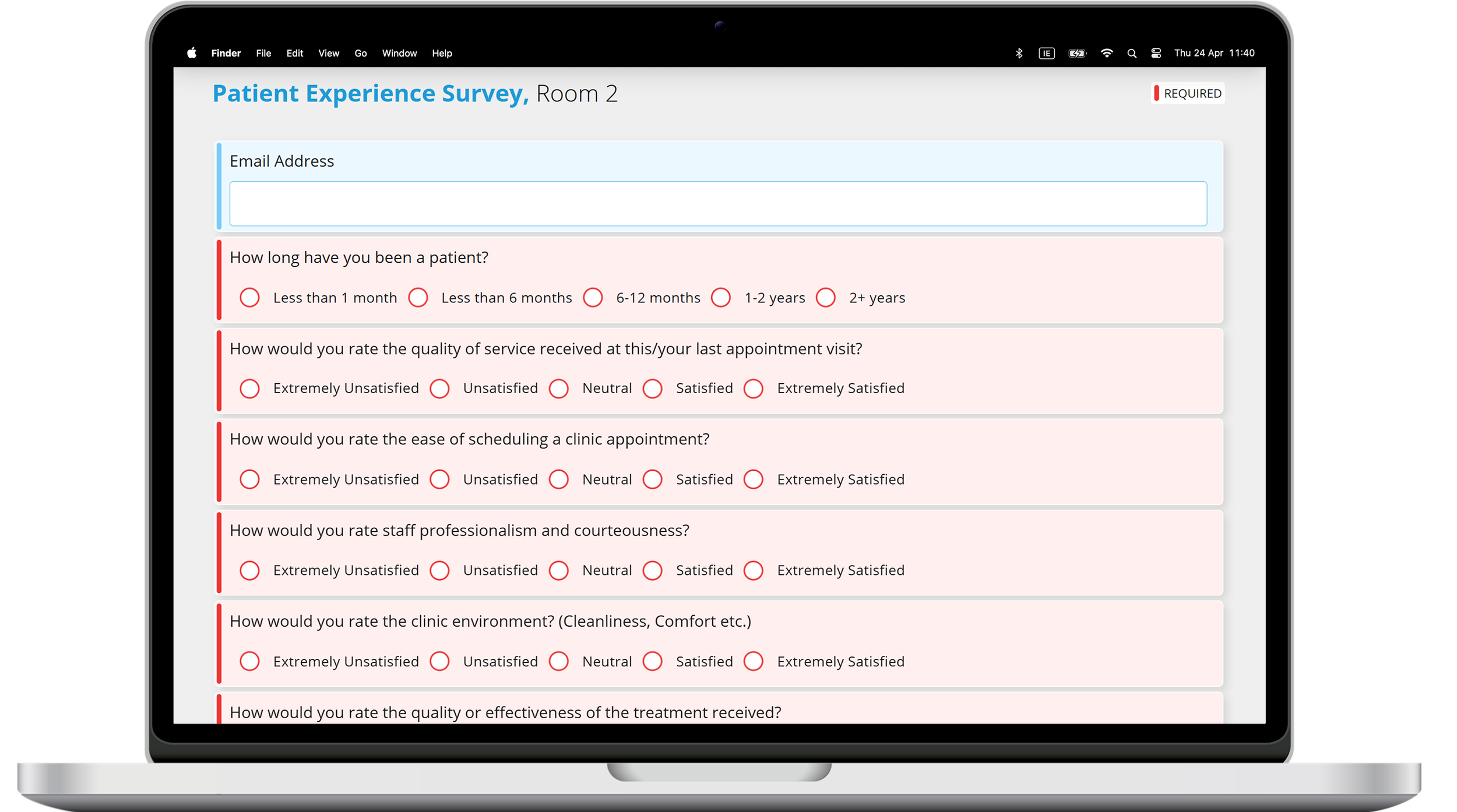
MEG's Feedback platform is designed to capture the patient's experience at every touchpoint, from admission to post-treatment follow-ups. It offers:

  • A multi-channel approach to collecting surveys by making them accessible via mobile devices, website, SMS, and more, so healthcare providers can gather real-time feedback and act on it efficiently.

  • Fully-customised surveys with questions tailored to different patient experiences. This ensures a comprehensive understanding of patient feedback, allowing for targeted improvements.

  • The option to capture insights from a diverse range of stakeholders, including staff, patients, families, and caregivers. This inclusive approach provides a holistic understanding of patient care experiences.

Fig: Sample Feedback Form

The data gathered from these surveys serves as a powerful tool for:

  • Addressing Patient Concerns: Understanding patient concerns and implementing changes based on feedback to create an environment centered around safe and effective patient care.

  • Data-Driven Resource Allocation: Analyse trends, allocate resources effectively, and shape future policies and improvement initiatives based on real patient insights.

  • Proactive Risk Mitigation: Proactively address negative feedback, showcase positive testimonials, and use data-driven insights to mitigate potential issues and improve patient satisfaction.

  • Regulatory Compliance: Ensure ongoing compliance with regulatory requirements by actively involving patients, families, caregivers, and staff in the feedback loop.

In a nutshell, our Feedback platform is designed not just as a data collection tool but as a strategic instrument to improve patient care, shape policies, and foster continuous improvement in healthcare services.


2. Efficient Complaint Management:

MEG's Complaint Management Software is a digital, user-friendly solution that offers end-to-end complaint handling in a single location. With the ability to capture and track complaints from various channels, analyse complaint data, and use insights to create and delegate corrective action plans, MEG's platform enables organisations to act on complaints promptly and drive quality culture.

The system includes built-in workflows and complaint triage, escalation and quality assurance steps, procedural guidance references, and the ability to link complaints to patient records, incident reports, and risk assessments. To support continuous learning and quality improvement, the platform includes reporting tools that evaluate data on a granular level and generate reports for governance reviews.


3. Data Integration for Informed Decision Making:

MEG's Patient Experience Module seamlessly integrates with existing electronic health records and various healthcare systems, ensuring a streamlined flow of information and a comprehensive view of patient care. Real-time data synchronisation guarantees accuracy, providing a foundation for well-informed decision-making.

Fig: Sample Dashboard

Advanced analytics tools dissect the data gathered from the feedback and complaints platforms to provide actionable insights that can drive improvements in patient care. Further, real-time dashboards enable providers to track quality improvement initiatives and monitor and measure Key performance indicators (KPIs).

Keen to see MEG’s Patient Experience Module in action? Schedule a demo now!

Emerging Tech Trends Reshaping the Future of Patient Experience

This blog post is the third in the series "Elevating Patient Experience in 2024" — a comprehensive guide where we discuss the various elements of patient experience, the role of tools like feedback and complaint forms, strategies organisations can implement to create a holistic and positive care experience, MEG's Patient Experience Module, and more. Read the previous blogs here:

  1. Patient-Centered Care: Strategies and Tools for Effective Patient Feedback

  2. Strategies for Success: A Comprehensive Guide to Improving Patient Experience in Healthcare

Digital technology is currently playing a pivotal role in reshaping the healthcare landscape. An increasing number of healthcare organisations are replacing legacy and analog systems with cutting-edge digital solutions, from appointment bookings to groundbreaking robot-assisted surgeries, showcasing the impact of this transformative shift. Reports indicate that the revenue of the global digital healthcare market in 2023 was $180 billion, poised to reach $550 billion over the next five years.

This tech rise is not only revolutionising healthcare globally, but is also fundamentally altering the patient experience, transforming how patients receive care and engage with the healthcare system. Today, technology empowers patients to become active participants in their care and advocate for their well-being, contributing to a patient-centric and holistic healthcare experience, ultimately improving clinical outcomes.

This blog post delves into some of the most prominent and emerging technology trends transforming and improving the patient experience while providing a glimpse of what's to come in the future.


1. Real-time feedback systems

Feedback is a crucial tool that enables healthcare organisations to understand the perspectives of patients and their families, facilitating the delivery of patient-centric care tailored to each individual's needs.

Until a few years ago, a majority of organisations relied on traditional methods like paper or telephone surveys, suggestion boxes, and face-to-face interviews. However, these methods often fell short in terms of scalability, efficiency, and the ability to capture real-time feedback.

Today, thanks to technological advancements, providers can use digital platforms and automated systems to streamline the timely collection of patient feedback and gain direct insights into patient experiences, all in real time. They can also make immediate adjustments to services and care, identify and resolve concerns before escalation, and ultimately strengthen the patient-provider relationship.

MEG's Feedback Tool

MEG provides a digital solution that enables healthcare providers to collect real-time patient, family, and staff feedback through fully-customisable surveys across multiple channels such as mobile devices, email, website, and SMS. Patient Experience and Quality Improvement teams can access all survey data from a centralised dashboard, analyse trends and opportunities for growth, allocate resources effectively, and make data-driven decisions on future policies and improvement initiatives. The predictive analytics capabilities of the tool also allow healthcare professionals to forecast potential issues or areas of concern and proactively address them.

Future Outlook

As technology advances, the integration of Artificial Intelligence (AI), predictive analysis, and Natural Language Processing (NLP) will enable a more sophisticated analysis of real-time feedback, enabling healthcare providers to anticipate patient needs and preferences. This, in turn, will allow them to deliver more personalised care, ultimately enhancing the overall patient experience.


2. Telehealth and Virtual Care

The COVID-19 pandemic accelerated the adoption of telehealth and virtual care like never before, allowing patients to access healthcare services from the comfort of their own homes. Telehealth provides a plethora of advantages, mainly convenience and improved accessibility, efficiency, and flexibility. Some ways technology has supported this include:

  • Wearable devices and remote monitoring tools allow healthcare providers to monitor patients with chronic conditions, collect real-time health data, and intervene promptly when needed.

  • Electronic health records (EHRs) grant healthcare professionals seamless access to patient information during virtual consultations, empowering them to make well-informed decisions based on readily available medical history.

  • Dedicated telehealth apps and platforms act as a centralised hub for patients to easily schedule appointments, access prescriptions, and receive follow-up care, contributing to a streamlined care experience.

  • Automated appointment reminders reduce wait times and improve communication, leading to a more positive patient experience.

Future Outlook

The future of telehealth will include more significant technological advancements using Artificial Intelligence, Augmented Reality, and Virtual Reality. Wearable devices and sensors for real-time monitoring of health parameters, virtual health assistants, symptom interpretation using AI, remote surgery assistance, and immersive therapy and psychiatry services are some developments to look forward to.


3. Personalised Medicine

Personalised medicine is an emerging revolutionary approach to healthcare that tailors medical treatment according to the unique characteristics of each patient. This is done by understanding the individual's genetic makeup and biomarkers, using data analytics and machine learning algorithms to analyse the different parameters, and developing tailored treatments that are more effective.

This cutting-edge technology can significantly impact patient experience by improving treatment efficacy, minimising adverse effects, and empowering patients to participate actively in healthcare decisions.

Future Outlook

Despite being in its early stages, personalised medicine shows great promise, with advancements such as a deeper understanding of genetics, AI for advanced data analysis, targeted gene and immunotherapies, and the rise of less invasive treatment options. The early identification of genetic predispositions will further strengthen preventive and predictive healthcare models.


Conclusion

Today, digital health technology plays a crucial role in reshaping the entire patient experience. Embracing tools like real-time feedback systems, telehealth, and automation allows healthcare providers to not just adapt to the ever-evolving healthcare landscape but also ensure that patient experience is at the forefront of everything that they do.

Strategies for Success: A Comprehensive Guide to Improving Patient Experience in Healthcare

In today's healthcare landscape, 'patient experience' extends beyond clinical effectiveness and medical expertise — it's about creating a compassionate, safe, and seamless care journey, right from the patient's first contact with the system through to the last. It is the fundamental shift from viewing patients as mere care recipients into active partners in their well-being.

Now, more than ever before, healthcare organisations across the globe are increasingly incorporating practices to improve patient experience and ensure that every patient is seen, heard, and genuinely cared for.

Acknowledging this theme, the NHS has collaborated with trust heads of patient experience to establish a patient experience improvement framework. The framework enables organisations to assess the extent to which patient experience is ingrained in leadership, culture, and operational processes within the institution and identify areas for improvement. 

This blog post focuses on the five elements of the framework, providing actionable strategies that can be implemented to support each component and, ultimately, enhance patient experience.

The Elements of the Patient Experience Improvement Framework

1. Leadership 

Creating a patient-centric culture — one that prioritises a positive patient experience starts at the top. Leaders must champion the cause by leading with empathy and transparency, fostering open communication channels, and actively facilitating a culture that focuses on patient satisfaction. Some actionable steps that organisation leaders can take to support this are:

  • Implement a patient experience strategy co-produced with patients and frontline staff, signed off by the board. 

  • Establish a Patient Advisory Council comprising patients, their families, and community representatives to gain varied perspectives on healthcare practices, policies, and improvements. 

  • Provide ongoing training for staff in communication skills, empathy, and patient-centered care. 

  • Develop clear and consistent communication protocols to keep patients and their families in the loop about their care plans and treatment options. 

  • Evaluate and optimise internal administrative processes using automation and digital tools to reduce wait times, paperwork, and other time-consuming tasks. 


2. Organisational Culture

Organisational culture is the foundation for delivering exceptional patient experiences and creating an environment where patients feel heard, respected, and supported throughout their healthcare journey. Cultivating this culture requires a strategic and unwavering approach, incorporating one or more of the following actionable steps: 

  • Demonstrate organisational commitment by integrating patient-centric values into the mission, vision, and strategic objectives. 

  • Create measurable Key Performance Indicators (KPIs) specific to patient experience. Regularly track and share these metrics with staff, showcasing how patient satisfaction relates to the organisation's greater goals and success.  

  • Develop a recognition program that acknowledges and rewards staff members who consistently contribute to creating a positive care experience for patients. 

  • Publicly celebrate examples of exceptional patient care so staff can learn and be inspired, in turn, reinforcing desired behaviours. 

  • Foster interdisciplinary collaboration, regular communication, and information sharing among different healthcare departments to ensure coordination and continuity of patient care. 

  • Treat challenges and negative feedback as learning opportunities, tweaking processes as you go to drive improvements in care quality.

  • Integrate cultural competency into standard operating procedures and policies to ensure a more inclusive healthcare environment where staff recognise and respect the diverse backgrounds and needs of patients. 

  • Implement role-playing scenarios during staff training sessions to simulate patient interactions and improve the staff's ability to handle various situations with empathy and sensitivity. 


3. Patient Feedback for Learning and Quality Improvement

Vancouver Coastal Health, a regional health authority, started The Patients Stories Project — a relational initiative that invites patients, families, and caregivers to share their experiences with the dedicated staff who have provided care for them. Here are some examples of what staff and patients had to say:


"Seeing the patient stories, seeing them come back and talk to us, and feeling that impact was so heartening and inspiring. It reminded us that what we do has a very positive impact on people."

 — Catherine Macphail, Clinical Nurse Educator

"Telling the story was cathartic. It took me looking at the whole situation and realising how many people were involved in saving my life and giving me my new life and just how much I appreciate that."

 — Cory, Patient

"Hearing patient stories grounds you in human connection, which is for most of us, the main reason we got into healthcare to start with is to relieve suffering, help people recover, and because we like working with people."

— Allana LeBlanc, Clinical Nurse Specialist 

These heartfelt responses highlight just how important it is to hear feedback from patients and understand their experience  —  not only to drive continuous quality improvement, but also for staff morale. Here are some ways you can support this within your organisation:

  • Implement an easy-to-use, digital feedback collection system to gather patient, family, and staff insights. MEG's Feedback Software offers diverse survey templates that can be fully customised and deployed across multiple touch points. Quality teams can use the software's real-time comprehensive patient feedback to analyse trends, allocate resources effectively, and shape future policies and improvement initiatives. 

  • Ensure patients are aware of how and where they can share their experiences. Include information on feedback mechanisms in patient education materials such as brochures, posters, and waiting room displays. 

  • Provide patients the option to give feedback anonymously. This can encourage more candid responses, particularly for sensitive issues.

  • Share aggregated and anonymised feedback results with both staff and patients. Communicate what improvements have been made based on the feedback received, and send follow-up surveys to assess the impact of the changes made. 

  • Implement a Complaint Management system to identify and respond to complaints quickly, gain visibility into common issues, and drive continuous improvement. MEG's Complaint Management Software is a digital, user-friendly solution that captures complaint information, has built-in complaint triage, escalation, and quality assurance steps, and connects insights gained with key quality and patient safety processes, policies, and personnel to generate opportunities for further improvement and shared learning.


4. Data Analysis and Triangulation 

While gathering feedback from patients, families, and staff is essential, it only constitutes one facet of a more intricate puzzle. The more critical counterpart involves systematically dissecting the feedback data to transform it from disparate information into a cohesive, actionable resource for continuous improvement. This meticulous approach of triangulating data from diverse sources provides a holistic view, fostering evidence-based decision-making within the organisation. 

The key here is to use a patient feedback tool that consolidates data from diverse channels and touchpoints and analyses it methodically. For example, MEG's Patient Experience Module incorporates advanced analytics tools within its feedback and complaint management features. This dynamic combination dissects feedback, complaints, and other data, offering granular-level insights and the ability to identify trends, systemic issues, and opportunities for continuous improvement. 

You can also link complaints and feedback to patient records, prior incident reports, risk assessments, or the risk register. Additionally, its predictive analytics and trend analysis capabilities empower healthcare professionals to anticipate and proactively address potential issues. Sign up here to see the tools in action. 

5. Reporting and Publication

Reporting and publishing patient experience data within the organisation facilitates transparency and accountability, promoting a culture of openness and dedication to delivering patient-centered care. The data also serves as a diagnostic tool, pinpointing specific areas for improvement through the analysis of trends and opportunities. 

MEG's Patient Experience Software automatically generates board-level or recurring reports for daily, weekly, monthly, or quarterly governance reviews. You can also create management or staff reports ad hoc and customise them based on your requirements. 

Some good practices to bear in mind while producing reports include: 

  • Use data visualisation tools such as graphs, charts, and dashboards to present patient experience data. This format is clear, accessible, and easily understood by management and stakeholders.

  • Set up regular reporting cycles to ensure consistent and timely distribution of patient experience data. This may include monthly, quarterly, or annual reports to maintain a continuous improvement cycle.

  • Implement processes to ensure the accuracy and integrity of the data, including validation checks, data cleaning processes, and regular audits to identify and rectify any discrepancies.

  • Adopt strict privacy protocols and anonymise published data to ensure patient confidentiality and compliance with relevant data protection regulations. 

  • Ensure published reports are easily accessible across multiple channels to a wide audience, including patients, staff, and the community.

In conclusion, the journey to improving patient experience is an evolving process that extends beyond clinical proficiency. The patient experience improvement framework provides a structured approach, emphasising components integral to healthcare organisations meeting the evolving needs of patients and creating a culture of continuous improvement. 

Media Release: M42 selects MEG Software for Care Quality Management Across its Healthcare Facilities

For Immediate Release

Date: 01.02.24

Abu Dhabi, 1 February 2024: M42, a first-of-its-kind global health-tech powerhouse headquartered in Abu Dhabi, has signed a five-year contract to implement MEG’s healthcare quality management software system across its healthcare facilities in the UAE. This partnership highlights M42’s dedication to maintaining the highest standards of quality and compliance processes across its healthcare facilities, further enhancing patient care and streamlining administrative tasks for staff.

MEG’s integrated digital tools revolutionise healthcare quality management, enabling healthcare providers to connect all the key components for the governance of care quality, compliance and patient safety in one central location. Through interoperable, user-friendly mobile and cloud-based technology, MEG aims to eliminate onerous paperwork for staff, allowing them to continue delivering quality patient care.

MEG’s innovative QMS system will centralise healthcare audit, incident, risk, patient experience and document management processes, replacing paper workflows with real-time reports and action plans for leadership and frontline staff. This transformation is expected to result in significant time and cost savings while providing comprehensive visibility into performance and risk management across the organisation.

MEG’s role in streamlining operations aligns with M42’s vision to employ pioneering technology-driven healthcare solutions to enhance patient care and well-being and provide the highest level of personalised precision and preventative health-tech solutions.

Ashish Koshy, M42’s Group Chief Operating Officer, said: “This partnership underscores our commitment to pushing the boundaries of healthcare technology for the benefit of our patients and the entire community we serve. Our strategy involves leveraging technology not as a mere tool but as a transformative force in co-designing the future of sustainable health. By harnessing MEG's solutions, we will continue to revolutionise the patient experience, enhance quality of care and empower our dedicated staff.”

MEG’s CEO, Kerrill Thornhill, shared his thoughts on the collaboration, saying, “We're delighted to partner with M42, a leading global health-tech company, and share our dedication to improving quality and patient safety. Our collaboration on best-in-class quality management systems will undoubtedly lead to better patient outcomes and drive process improvements across the organisation.”

In addition to this landmark contract, MEG is gearing up to elevate healthcare technology in 2024 with a comprehensive series of platform enhancements. These will include advanced analytics capabilities, state-of-the-art action planning tools, and enhanced hospital system integration capabilities. These advancements underscore MEG's commitment to continual improvement in healthcare quality, patient safety, and compliance technology, solidifying its position as a leader in healthcare innovation.

The official signing of this collaboration took place at Arab Health on 31 January at the M42 stand.

For further information regarding MEG and its services, please visit https://www.megit.com/ or contact;

Name: Edel Churchill

Phone: +353(0)831 96 1848

Email: press@megit.com

–

About MEG

MEG is a digital quality management system for healthcare. Its suite of configurable mobile and cloud-based tools enables providers to engage staff in quality improvement, patient safety and manage compliance with accreditation or regulatory standards.

The easy-to-use modules can be used on any device by frontline workers to collect data from all over an organisation. Capture incidents, audits, risk assessments, and access information anytime right at the point of care.

Management can collate, analyse and act upon real-time information and metrics across multiple sites, consolidating data into a centralised platform.

MEG is currently in operation in more than 20 countries across Europe, the Middle East, Australasia and Latin America with multi-lingual support.

About M42

M42 is a first-of-its-kind global tech-enabled health powerhouse committed to the sustainable future of health. The Abu Dhabi-headquartered company is transforming lives through innovative clinical solutions that are solving the world’s most critical health and diagnostic challenges. By harnessing innovative solutions and unique medical and data-centric technologies, including genomics and AI, M42 is delivering the highest level of personalized, precise, and preventative care to impactfully disrupt the global healthcare ecosystem.

M42 has over 20,000 employees and more than 450 facilities in 26 countries. Established in 2022, following the coming together of G42 Healthcare and Mubadala Health, M42 combines unique medical and data-centric technologies with state-of-the-art facilities to deliver world-class care.

M42 owns and manages an integrated portfolio of health-tech and healthcare service providers including Diaverum, G42 Healthcare, Cleveland Clinic Abu Dhabi, Imperial College London Diabetes Centre and Moorfields Eye Hospital Abu Dhabi, among others.

###

M42 تتعاقد مع "إم إي جي" لتحسين إدارة جودة الرعاية ضمن مرافقها للرعاية الصحية

أبوظبي، الإمارات العربية المتحدة، xx يناير 2024: أعلنت M42، شركة رائدة هي الأولى من نوعها في مجال الصحة تسعى لإعادة صياغة مستقبل الصحة باستخدام أحدث التقنيات، عن توقيع عقد لمدة خمس سنوات لتطبيق النظام البرمجي لشركة "إم إي جي" MEG لإدارة جودة الرعاية الصحية ضمن جميع مرافقها للرعاية الصحية في دولة الإمارات. وتسلط هذه الشراكة الضوء على التزام M42 بالحفاظ على أرقى معايير جودة الرعاية وكفاءة العمليات ضمن كافة أصولها، بما يعزز من جودة رعاية المرضى ويبسط المهام الإدارية بالنسبة لكوادر العمل.

وتعتبر الأدوات الرقمية المدمجة التي توفرها "إم إي جي" بمثابة نقلة نوعية في منهجية إدارة جودة الرعاية الصحية، إذ تُمكن مقدمي الرعاية من ربط جميع المكونات الرئيسية لحوكمة جودة الرعاية، وتعزيز مستويات الامتثال وسلامة المرضى وكل ذلك ضمن موقع برمجي موحد. ومع توفيرها للتقنيات السحابية المتنقلة وسهلة الاستخدام والقابلة للتشغيل البيني، تهدف "إم إي جي" لإلغاء الأعمال الورقية التي تثقل كاهل الكوادر الإدارية، ليتمكنوا من مواصلة تعزيز جودة الرعاية المقدمة للمرضى.

وسيعمل نظام "إم إي جي" المبتكر لإدارة الجودة على إضفاء طابع مركزي على عمليات تدقيق خدمات الرعاية الصحية والحوادث والمخاطر وتجربة المرضى وعمليات إدارة الملفات، مستبدلاً مسارات العمل الورقية التقليدية بآلية مباشرة لإعداد التقارير وخطط العمل ليستفيد منها قادة المؤسسة وفرق عملها بشكل يعزز من كفاءة العمل بالمجمل. ومن المتوقع لهذا التحول أن يثمر عن تقليص كبير في الوقت والتكلفة، تزامناً مع توفير رؤية واضحة حول الأداء وإدارة المخاطر ضمن شتى مفاصل عمل المؤسسة.

وتنسجم مساعي "إم إي جي" الرامية لتبسيط العمليات مع رؤية M42 لتسخير قدرات حلول الرعاية الصحية المبتكرة المدعومة بالتقنيات المتقدمة لتحسين سبل رعاية المرضى وتعزيز رفاههم، فضلاً عن تقديم أفضل حلول التقنيات الصحية للرعاية الشخصية الدقيقة والوقائية.

وفي هذا السياق، قال أشيش كوشي، رئيس العمليات التشغيلية للمجموعة في شركة M42: " تأتي هذه الشراكة لتمثل دلالة على التزامنا الراسخ بالارتقاء بتقنيات الرعاية الصحية بشكل يعود بالنفع على المرضى وجميع أفراد المجتمعات التي نخدمها. وتنطوي استراتيجية عملنا على تسخير قدرات التكنولوجيا، ليس بوصفها مجرد أداة نعتمد عليها، بل كقوّة دافعة تلعب دوراً رئيسياً في استشراف مستقبل الصحة. وبالاعتماد على حلول ’إم إي جي‘ المتقدمة، نمضي بمساعينا لإحداث نقلة نوعية في تجربة المرضى، وتحسين جودة الرعاية وتمكين فرق عملنا من مزاولة أعمالهم بأسلوب أكثر كفاءة وبساطة".

وحول هذا التعاون، أضاف كيريل ثورنيل، الرئيس التنفيذي لشركة "إم إي جي": "تسعدنا الشراكة مع M42، الشركة الرائدة في التقنيات الصحية، وتتقاسم معنا ذات الالتزام بتحسين جودة رعاية المرضى وتعزيز سلامتهم. ولاشك بأن تعاوننا هذا في إطار أفضل أنظمة إدارة الجودة من فئتها سيقود بالتأكيد نحو تحقيق نتائج أفضل للمرضى، فضلاً عن دفع عجلة تحسين العمليات ضمن كافة مفاصل المؤسسة".

وإضافة لتوقيع هذا العقد الهام، تستعد "إم إي جي" للارتقاء بتقنيات الرعاية الصحية في عام 2024 نحو آفاق أكثر رحابة، مع إطلاق سلسلة من التحسينات الشاملة على المنصة. وستغطي هذه التحديثات قدرات التحليل المتقدمة، وأدوات خطط العمل السباقة، وتحسين إمكانات تكامل أنظمة المستشفيات. وتؤكد هذه التطورات على التزام "إم إي جي" بتحسين جودة الرعاية الصحية باستمرار، وتعزيز سلامة المرضى، وتطوير تقنيات الامتثال، بما يرسخ مكانتها الريادية في ابتكارات الرعاية الصحية.

وأقيم حفل توقيع الاتفاقية الرسمي على هامش معرض ومؤتمر "آراب هيلث" يوم 31 يناير ضمن منصة M42 المشاركة في الحدث.

للمزيد من المعلومات حول "إم إي جي" وخدماتها يرجى زيارة الموقع الإلكتروني: https://www.megit.com/

-انتهى-

حول "M42"

M42 شركة رائدة في مجال الصحة هي الأولى في نوعها تسعى نحو مستقبل مستدام للصحة باستخدام أحدث التقنيات، ومقرها أبوظبي. وهي تسعى لإحداث تحوُّل في حياة الناس بتقديم حلول سريرية مبتكرة لأصعب التحديات التشخيصية والصحية الحرجة في العالم. وبتسخير هذه الحلول المبتكرة والتقنيات الطبية الفريدة المرتكزة على البيانات، ومنها علم الجينوم والذكاء الاصطناعي، وتقدِّم M42 أعلى مستوى من الرعاية المخصَّصة الدقيقة والوقائية لإحداث نقلة نوعية مؤثرة في منظومة الرعاية الصحية العالمية.

لدى M42 أكثر من 20 ألف موظف وأكثر من 450 مرفقًا طبيًا في 26 دولة؛ وقد تأسست عام 2022 بعد اندماج جي42 للرعاية الصحية ومبادلة للرعاية الصحية لتصبحM42 شركة تجمع بين التقنيات الطبية الفريدة المرتكزة على البيانات وأحدث المرافق الطبية لتقديم رعاية عالمية المستوى.

تمتلك M42 وتدير محفظة متكاملة من مقدمي خدمات التقنيات الصحية والرعاية الطبية، ومنها: ديافيرم، وجي42 للرعاية الصحية، وكليفلاند كلينك أبوظبي، ومركز إمبريال كوليدج لندن للسكري، ومستشفى مورفيلدز للعيون أبوظبي، وغيرها.

Interview with Pedro Delgado VP of IHI

Equity in Health, Technological Access, and Accreditation: In Conversation With Pedro Delgado, VP of IHI

In Conversation With Pedro Delgado, VP of IHI about Equity in Health, Technological Access, and Accreditation in LATAM

In an exclusive interview with MEG, Pedro Delgado, Vice President of the Institute for Healthcare Improvement (IHI), delved into equity and humanisation in healthcare in Latin America. The conversation shed light on the myriad challenges and promising opportunities the region faces in its pursuit of a more equitable and human-centric healthcare system.

Check the full video interview here

Global Mission and Equity

While discussing his leadership role at IHI, Pedro Delgado articulated the organisation's overarching mission to enhance health and healthcare services on a global scale. Emphasising the intrinsic value of equitable healthcare for all, irrespective of financial capacity, Delgado underscored equity as a foundational pillar in their approach. 

He succinctly summarised their mission, stating,

"Our mission is to improve health and healthcare services worldwide, including all populations. This refers not only to those who can pay but to the entire population, linking our work with equity."

Humanisation in Latin America

Addressing the concept of humanisation in Latin America, Delgado expressed enthusiasm for the autochthonous term used in the region. However, he raised a point about the need to remember humanisation in healthcare delivery, highlighting the significance of persistently advancing towards a more profound humanisation of health throughout the region.


"It is being used in very nice ways in Latin America, and I believe there is still much to be done to continue progressing on this path towards the deep humanisation of health in Latin America."


Challenges in Health Humanisation

When asked about the challenges in humanising healthcare, Delgado pointed to obstacles entrenched in the educational and hierarchical framework. He emphasised the need to overcome the pursuit of absolute solutions and a rigid hierarchical mentality, advocating for a departure from a culture of complaints. Delgado urged a shift towards a proactive stance, encouraging individuals to embrace their capacity for change. He identified these challenges and systemic imperfections as contributors to a pressurised healthcare environment.

"The major challenges we have as a health sector in the pursuit of humanisation are related to our understanding of what it means to educate and feel, and our approach to hierarchies."

"...to be protagonists of what is possible and not protagonists of complaints because those are options in leadership, one is to complain about everything that doesn't work, and the other is to understand that there are things that don't work, but we as individuals have the possibility to change some."


Measuring Inequality

Delgado addressed the importance of measuring equity in healthcare from three perspectives: organisational, clinical, and population health. He highlighted the importance of factoring in civility and effective human resource management within organisations, and accessibility, patient experiences, and clinical outcomes in the clinical domain.

"It is important to understand equity from civility, human resource management, access, experience, and clinical outcomes, as well as in population health, both for employees and surrounding communities."

"The journey towards equity requires us to listen more and listen better; if not, the likelihood of success will be much lower."


Technological Solutions and Impact

Regarding the use of technological solutions, Delgado acknowledged the possibilities technology offers to close equity gaps, especially in terms of access and listening. He illustrated two cases in Latin America, highlighting the use of telemedicine at the Albert Einstein Israelite Hospital in the Amazon and the successful implementation of virtual mental health services by the Fundación Santa Fe in Bogotá, Colombia.

"Technology is the tool that opens up many possibilities to close equity gaps, especially in access and listening."


Accreditation Awareness

Delgado emphasised the importance of accreditation within the quality paradigm in healthcare. He identified barriers in terms of accreditation system limitations and costs while highlighting the importance of transparency and feedback in improving care quality. 

"Accreditation is part of quality assurance, but it is essential to address transparency and dare to receive feedback to improve."

"...with assurance also comes what is quality control, having standards under which we operate, so that we can provide an adequate service."

-Pedro Delgado, VP of IHI


In summary, this interview with Pedro Delgado provided valuable insights into the challenges and opportunities in the pursuit of more equitable and humanised healthcare in Latin America, highlighting the importance of technology, equity measurement, and quality awareness through accreditation.


The Importance of Patient Feedback in Healthcare: Strategies for Patient-Centred Care

Why Patient Feedback Matters in Healthcare

Patient feedback plays an important role in helping healthcare organisations understand how patients experience care, identify gaps in service delivery and make improvements that reflect patient needs.

While clinical outcomes and operational performance provide essential measures of healthcare quality, they do not always reveal how patients experience communication, accessibility, dignity or involvement in their care.

In recent years, the emphasis on patient-centered care has significantly increased, with healthcare systems across the globe recognising the pivotal role of patient experience and feedback in shaping the future of care delivery. Initiatives such as the NHS's Patient Safety Strategy and the ACSQHC's (Australian Commission on Safety and Quality in Health Care) collection of patient-reported experience measures (PREMs) and patient-reported outcome measures (PROMs), reflect this transformative shift.

Patient feedback helps bridge this gap by giving healthcare organisations direct insight into what matters to patients and where improvements are needed. However, collecting feedback is only part of the challenge. Healthcare organisations must also overcome barriers to participation, engage frontline staff and ensure that patient insights lead to meaningful changes in practice.

This article explores why patient feedback is important in healthcare and the practical patient-centred care strategies organisations can use to encourage participation and translate feedback into quality improvement.

Why Is Patient Feedback Important in Healthcare?

A survey conducted by Accenture revealed that two out of three healthcare consumers have had a negative experience with a provider, leading to serious consequences on health outcomes. In fact, 34% of the respondents said they were less likely to seek medical care the next time they needed it. This survey underscores the critical need to make care delivery more streamlined, empathetic, and effective.

Patient feedback is important because it provides healthcare organisations with insights into care quality that may not be captured through clinical and operational performance measures alone. It helps identify unmet needs, recurring service problems and opportunities to improve communication, accessibility and patient safety.

Identifying Gaps in Care Quality and Patient Safety

Patient feedback can reveal concerns that may not be immediately apparent through clinical audits or incident reporting.

For example, repeated comments about unclear discharge instructions may indicate that patients are leaving hospital without fully understanding their medication, follow-up appointments or recovery requirements.

Although each comment may initially appear to be an isolated communication concern, reviewing feedback collectively can help organisations identify wider process weaknesses that warrant investigation.

This makes patient feedback a valuable additional source of insight for clinical governance and quality improvement teams.

patient feedback survey

How Does Patient Feedback Support Patient-Centered Care?

Patient-centered care involves respecting individual preferences, supporting shared decision-making and ensuring that patients can participate meaningfully in decisions about their care.

Patient feedback contributes to this approach by helping healthcare organisations understand whether these principles are reflected in everyday practice.

What Are Effective Patient-Centred Care Strategies?

Effective patient-centred care strategies focus on making healthcare more responsive, accessible and inclusive while ensuring that patients have meaningful opportunities to influence their care.

The following approaches can help healthcare organisations strengthen patient participation and make better use of feedback.

1. Make Feedback Accessible

Offer patients convenient ways to share their experiences, including digital surveys, paper forms and verbal feedback. Consider language, literacy and digital accessibility to ensure different patient groups can participate.

2. Explain Why Feedback Matters

Clearly communicate how feedback will be used and address concerns about confidentiality. Sharing examples of improvements made in response to patient suggestions helps demonstrate that their contributions are valued.

3. Engage Frontline Staff

Involve staff in designing feedback processes that fit existing clinical workflows. Provide guidance on encouraging participation, responding to concerns and escalating issues without creating unnecessary administrative work.

4. Connect Feedback to Quality Improvement

Review patient feedback alongside complaints, clinical audits and patient safety data to identify recurring concerns. Assign responsibility for improvements and monitor progress through established governance processes.

5. Demonstrate That Feedback Leads to Action

Communicate relevant improvements to patients and staff. Where changes are introduced, evaluate whether they have addressed the original concern rather than assuming that completing an action demonstrates success.

What Are the Main Barriers to Collecting Patient Feedback?

Despite its importance, patient feedback collection can be affected by both patient and staff resistance.

For patients, barriers include concerns about confidentiality, limited time, language differences, digital exclusion and uncertainty about whether their feedback will make a difference.

For healthcare staff, challenges often involve workload pressures, manual processes and unclear responsibilities for managing responses.

Addressing these barriers requires accessible feedback methods, clear communication and processes that fit into existing workflows.

Overcoming resistance from staff and patients

Overcoming this resistance requires a thoughtful approach — one that addresses concerns while emphasising the positive impact on patient care. Here are a few strategies that organisations can implement:

1. Patient Education

  • Educating patients on the importance of their feedback plays a crucial role in overcoming resistance and fostering transparency, understanding, and trust. A few ways to go about this include:

  • Provide examples of how patient feedback has led to positive changes within the organisation to help them understand the tangible impact their inputs can have on improving care quality.

  • Encourage open and honest responses by providing them with the option to provide anonymous feedback, thus ensuring confidentiality.

2. Staff Engagement and Training

Engaging staff in the design and implementation of the patient feedback system instils a sense of ownership that can go a long way in overcoming resistance. Communicating the purpose of collecting patient feedback and emphasising its role in fostering a patient-centered approach is key.

Additionally, involving staff in decision-making processes related to feedback collection methods and tools and encouraging open communication promotes a sense of ownership and empowerment.

3. Integrate Feedback Collection into Existing Workflows

Embedding the feedback collection process into existing workflows ensures that it becomes a natural part of staff's day-to-day activities, minimising the perception of additional burden, and ultimately resistance.

The key here is to design a feedback system that is time-efficient, secure, easy to use, and integrated with the greater quality management system for continuous improvement. You can even establish a feedback loop within the organisation, where staff can see the direct impact of the feedback they collect on improvements in patient care, in turn, reinforcing the value of their contribution.

4. Recognition and Incentives

Recognition and incentives serve as powerful motivators for staff to actively participate in the patient feedback process, as they convey the message that their efforts will be acknowledged and rewarded. It also promotes a positive organisational culture, builds team morale, and strengthens collaboration. Further, knowing their efforts directly contribute to positive patient outcomes and service improvements greatly diminishes resistance.

How MEG Supports Patient Feedback and Continuous Improvement

MEG's Patient Feedback Tool, an integral component of the Patient Experience Module, is a digital solution designed to streamline the entire patient feedback process. Featuring a user-friendly interface, customisable survey templates, integration with other quality management systems, multi-channel feedback collection, and automated reminders for pending surveys, this tool empowers both patients and staff to submit valuable feedback within minutes.

MEG's AI capabilities support multilingual sentiment analysis, automatic categorisation of multiple issues within individual comments and transcription of patient voice notes. Feedback can also be routed to the appropriate owner or department for follow-up.

Discover how MEG helps healthcare organisations turn patient feedback into meaningful improvements.

A Practical Guide to the NHS Patient Safety Incident Response Framework (PSIRF)

The Patient Safety Incident Response Framework (PSIRF) has transformed how NHS organisations respond to patient safety incidents, shifting the emphasis from investigation targets towards proportionate, system-based learning and meaningful improvement.

Introduced in August 2022 and implemented across services covered by the NHS Standard Contract, PSIRF is now an established part of patient safety governance in England. NHS England's Patient Safety Incident Response Standards were most recently updated in January 2026.

For NHS patient safety teams, the priority is no longer simply preparing for PSIRF implementation. It is ensuring that learning responses are proportionate, improvement actions are effective and governance processes demonstrate sustained learning.

This guide explains the PSIRF framework, its requirements, the national learning response toolkit and how MEG helps NHS organisations manage PSIRF-aligned workflows.

What Is the Patient Safety Incident Response Framework (PSIRF)?

The Patient Safety Incident Response Framework (PSIRF) sets out the NHS approach to responding to patient safety incidents for the purpose of learning and improving patient safety.

It replaced the Serious Incident Framework (2015), moving away from investigation thresholds and prescribed response times towards an approach informed by organisational safety priorities, system-based learning and the potential for improvement.

PSIRF is built around four key principles:

  1. Compassionate engagement with patients, families and staff affected by incidents.

  2. System-based approaches to understanding how incidents occur.

  3. Proportionate responses based on learning and improvement opportunities.

  4. Supportive oversight focused on improving the effectiveness of patient safety response systems.

Importantly, PSIRF does not require every reported incident to undergo a formal investigation. Organisations must select appropriate responses based on their patient safety incident response plans, national requirements and the learning available.

PSIRF core principles

How Is PSIRF Different from the Serious Incident Framework?

The previous Serious Incident Framework relied on thresholds for determining which incidents required formal investigation.

PSIRF takes a different approach, recognising that the severity of an incident does not always indicate the greatest opportunity for learning.

For example, recurring medication near misses may reveal system weaknesses that warrant a thematic review, even where no patient harm has occurred.

Under PSIRF, organisations can select proportionate learning methods that examine contributory factors and identify opportunities for sustainable improvement.

The emphasis shifts from the number of investigations completed to the quality of learning and the effectiveness of resulting safety actions.

Who Does PSIRF Apply To?

PSIRF is a contractual requirement for healthcare services provided under the NHS Standard Contract, including acute, ambulance, mental health, community and specialist services.

It also applies to relevant NHS-funded care delivered by independent providers. Primary care services outside the NHS Standard Contract are not automatically required to adopt PSIRF, although providers may choose to apply its principles in collaboration with their integrated care board (ICB).

What Are the Current PSIRF Requirements for NHS Organisations?

Organisations must maintain two core documents: a Patient Safety Incident Response Policy and a Patient Safety Incident Response Plan.

The policy describes how the organisation responds to incidents, engages those affected, manages governance responsibilities and connects learning with improvement. The plan identifies local patient safety priorities, explains the learning response methods to be used and provides the rationale for selecting them.

Both documents must remain aligned with organisational safety intelligence, available resources and emerging improvement priorities. NHS England's January 2026 Patient Safety Incident Response Standards also cover competence and capacity, compassionate engagement, proportionate responses and oversight responsibilities.

For patient safety leaders, the ongoing challenge is ensuring these requirements are reflected in everyday workflows rather than existing only within approved documents.

What Is Included in the PSIRF Learning Response Toolkit?

The NHS England Patient Safety Learning Response Toolkit provides system-based methods and practical resources to help organisations understand contributory factors and identify improvement opportunities.

The toolkit incorporates principles from the Systems Engineering Initiative for Patient Safety (SEIPS) and includes:

  • Preparation tools: Stakeholder mapping, information gathering and terms of reference.

  • Learning response methods: Patient Safety Incident Investigation (PSII), After Action Review (AAR), multidisciplinary review and swarm huddles.

  • Work system analysis: Interviews, observations, walkthroughs and methods for exploring everyday clinical practice.

  • Learning synthesis and safety actions: Thematic analysis, identification of contributory factors and development of improvement actions.

Organisations should select methods according to the nature of the concern and the learning required, rather than treating the toolkit as a checklist of activities that must be completed for every incident.

How Can NHS Trusts Apply PSIRF in Practice?

Effective PSIRF implementation requires a connected process from incident identification through learning response, safety action development and effectiveness evaluation.

1. Identify and Review Patient Safety Concerns

Incident reports, risk registers and wider safety intelligence help organisations recognise emerging concerns and recurring patterns.

MEG's Incident Reporting and Risk Management module supports structured incident capture, configurable reporting workflows and analysis of safety trends across departments.

2. Select a Proportionate Learning Response

Patient safety teams must determine whether an incident requires a formal investigation, an alternative learning response or consideration within existing improvement activity.

MEG supports configurable incident management workflows, enabling teams to document decisions, manage investigations and retain relevant evidence within a central system.

3. Engage Patients, Families and Staff

Compassionate engagement is fundamental to PSIRF. Organisations should provide appropriate support and opportunities for those affected to contribute to the learning process.

MEG can support the recording and tracking of stakeholder involvement within incident workflows, helping teams maintain oversight of engagement activities and relevant follow-up.

4. Translate Learning into Safety Actions

Learning responses should lead to improvements that address the contributory factors identified. MEG's action planning tools enable teams to assign safety actions, establish accountability and monitor implementation across departments.

Where learning identifies the need to update clinical procedures, actions can also be connected with the Policy and Document Management module.

5. Evaluate Whether Improvements Are Working

Completing an action does not necessarily demonstrate that the underlying safety concern has been addressed.

For example, a revised medication administration procedure may require follow-up clinical audits to establish whether practice has changed.

MEG connects action management with clinical audits and reporting dashboards, helping governance teams monitor implementation and gather evidence of improvement.

Download PSIRF supporting documentation

How Can MEG Support PSIRF Implementation and Ongoing Governance?

PSIRF requires NHS organisations to coordinate several activities that are often managed through separate systems: incident reporting, learning responses, stakeholder engagement, safety actions and governance oversight.

MEG provides a connected healthcare quality management platform that supports these processes without requiring patient safety teams to manage each activity in isolation.

Incident reporting and LFPSE integration: MEG's LFPSE-compliant incident reporting capabilities support national data submission alongside local incident management and reporting requirements.

PSIRF-aligned learning workflows: Configurable workflows allow organisations to manage incident reviews, investigations, evidence and follow-up activities in line with local governance processes.

Safety action management: Improvement actions can be assigned to responsible individuals, tracked through implementation and connected with relevant risks, policies and audits.

Governance reporting: Configurable dashboards provide visibility into incident patterns, outstanding actions and improvement activity across services.

By linking these processes, MEG helps NHS organisations maintain a clearer record of how patient safety concerns progress from reporting through learning and improvement.

Importantly, PSIRF and LFPSE serve different but complementary purposes. LFPSE supports national patient safety event data collection and learning, while PSIRF establishes how organisations respond to incidents and use that learning to improve care.

Explore MEG's LFPSE-compliant and PSIRF-compatible software.

What do early adopters of the PSIRF have to say?

NHS England interviewed some of the early adopters of the PSIRF within their organisation to understand their experience with the new framework and their advice to providers who are now implementing PSIRF. Here's what some of them had to say:

Lucy Winstanley, Head of Patient Safety and Quality, West Suffolk NHS Foundation Trust

According to Lucy, West Suffolk NHS Foundation Trust identified an opportunity for change with the PSIRF while recognising the limitations of the Serious Incident Framework. She attributes the successful implementation of PSIRF to the organisation's board, which demonstrated an early commitment, embraced change, and remained open to collective learning.

That said, the organisation faced the challenge of spending considerable time on quantitative investigations that weren't high quality. To overcome this, they recruited specialised patient safety incident investigators who brought a wealth of experience and a different approach, significantly improving staff and patient engagement in the process. This strategic move ensured better support, enhancing the overall effectiveness of the system.

Lucy's advice to those transitioning to the PSIRF:

"You have to approach it as a collective with the freedom to know that you are making a change and doing it for the right reason. Flexibility and appetite for change have to be the drivers here because it is very different from what you know already — there will be questions and grey areas. Still, as a collective, if you're confident of your approach and keep patients at the heart of it all, it will be successful."

Megan Pontin, Patient Safety Incident Investigator, West Suffolk NHS Foundation Trust

Megan believes the PSIRF significantly differs from the Serious Incident Framework in many ways. Specifically, she finds involving patients, families, and staff right at the beginning of an investigation a game-changer.

Here's what Megan wants providers to bear in mind during the transition:

"Remember that this is quite a long journey, and you can't set it all out at the start. We all focus on doing the investigations correctly and learning from them. But the part about then transferring that into an improvement activity is perhaps the part that none of us had a strong framework on before. The PSIRF now allows us to do that, and that's where we need to focus."

Saranna Burges, Director for Patent Safety and Quality, Norfolk and Suffolk NHS Foundation Trust

According to Saranna, the PSIRF has empowered clinical staff to participate actively in every phase of the incident investigation process — from the early screening or the review of the incident to the debriefing and decision-making. This involvement has fostered a sense of ownership and engagement among them, offering valuable insights into the range of incidents within the trust and their effects on patients and caregivers.

Saranna's advice for mental trusts who are now implementing the PSIRF is:

"Get it right from the start what you're looking to do. You're looking to target areas where you have the most care and treatment concerns, not areas where you have the most incidents. Although that has to feature in your decision-making, it's the areas of care and treatment you must focus on. Be prepared for the fact that it won't reduce the activity levels. You're just going to be doing something different."

Lisa Falconer, Head of Clinical Quality and Patient Safety, NHS Derby and Derbyshire ICB

Lisa believes that the adoption of the PSIRF has resulted in trusts becoming more targeted in their approach to improvement plans. They now aim to embed and sustain these plans within their organisation, as opposed to merely identifying actions and documenting them in an investigation report, never to be revisited.

Lisa's advice to ICB leads is:

"The key is to get providers together and work alongside them every step of the way, guiding and supporting them by ensuring their plans are fit for purpose. Make sure to do every part of the journey; make sure you do all of it to get the most out of the PSIRF."

From PSIRF Implementation to Continuous Patient Safety Improvement

PSIRF represents a sustained change in how NHS organisations learn from patient safety incidents.

The challenge is ensuring that proportionate learning responses translate into meaningful safety actions, that those actions are evaluated and that governance teams can demonstrate the impact of improvement activities.

MEG supports this process by connecting incident reporting, LFPSE data submission, investigations, risk management, action planning and clinical audits within one platform.

MEG is PSIRF compatible and LPFSE compliant

Strengthen PSIRF-aligned patient safety management with MEG.

The Role of Advanced Healthcare Quality Management Solutions in KPI Management

In today's dynamic world of healthcare, the pursuit of high-quality care takes centre stage. Healthcare providers are tasked with delivering value-based care while ensuring patient safety and compliance with regulatory requirements. To help them achieve this and measure, manage, and enhance performance, healthcare institutions are increasingly turning towards Key Performance Indicators (KPIs).

Advanced healthcare quality management solutions have emerged as the unsung heroes of this mission, empowering organisations to create, monitor, and analyse KPIs with precision and efficiency. In this blog post, we'll explore the crucial role of modern QMS in KPI management and its contribution in achieving excellence in patient care.


Why Do Key Performance Indicators (KPIs) Matter?

KPIs aren't just mere numbers; they are critical markers or signposts that help healthcare providers and organisations assess the various aspects of healthcare delivery and evaluate how they're doing. They also serve as catalysts for the implementation of data-driven quality improvement strategies to enhance patient care.

For instance, tracking a KPI like the Hospital Acquired Infection (HAI) rate can help institutions identify infection hotspots, respond to outbreaks quickly, allocate resources better, and more.

That being said, legacy or paper-based quality management systems make it nearly impossible to track these KPIs. The abundance of fragmented data scattered across Excel spreadsheets, Google Drive, emails, and paper documents makes analysing data and deriving meaningful insights a Herculean task. It's like a jigsaw puzzle with no beginning and no end. That's where advanced healthcare quality management solutions come to the rescue, allowing organisations to create, measure, and understand these signposts, in turn, making healthcare better and safer.


Digital Quality Management Systems: The Game Changer

In a nutshell, an advanced healthcare quality management solution such as MEG helps with KPI management in three main ways:

1. Creation

Crafting Key Performance Indicators (KPIs) that align with your organisation's objectives and quality improvement efforts is the first crucial step in improving patient care. A comprehensive QMS provides valuable assistance in this regard by:

  • Providing industry-specific predefined templates that suggest KPIs based on best practices, regulatory standards, and the unique demands of healthcare settings. These templates act as a guide to help pinpoint the most relevant metrics to track.

  • Allowing seamless integration with various data sources such as clinical protocols and patient satisfaction surveys, in turn, simplifying the process of information gathering for accurate KPI measurement and analysis.

  • Providing the flexibility to modify or add new KPIs to align with shifting goals or emerging needs. This iterative approach ensures KPIs remain in sync with the organisation's evolving objectives.

2. Monitoring

Once Key Performance Indicators are defined, continuous monitoring is vital to assessing performance and identifying areas for improvement. An advanced healthcare quality management solution facilitates this through:

  • A centralised data repository or hub where information from various systems forms a single, reliable source of information, ensuring that the data for measuring KPIs is readily accessible and always up-to-date.

  • Real-time data capture that guarantees data is current and accurate, especially in the case of dynamic KPIs that require continuous monitoring.

  • Automated notifications and alerts when KPIs exceed predefined thresholds or targets. This ensures that any performance issues receive immediate attention and corrective actions.

3. Analysis and measurement

The analysis of Key Performance Indicators (KPIs) is the cornerstone of quality management in healthcare. Advanced quality management solutions excel in this aspect, providing a range of in-depth data analysis and visualisation tools that healthcare providers can use to deep-dive into performance metrics.

These features can generate a wealth of informative resources, including reports, interactive dashboards, historical data, and comparative data analysis, all of which are instrumental in helping healthcare organisations spot patterns, outliers, and areas needing attention.

This, in turn, allows organisations to gain the necessary knowledge to make informed, data-driven decisions, streamline processes, and refine strategies for patient care.


A Guide to Implementing Advanced Healthcare Quality Management Solutions

Are you ready to say goodbye to outdated legacy systems and embrace modern technology that can help your organisation revolutionise patient care, streamline operations, measure and monitor KPIs, and lead the charge in the ever-evolving world of healthcare? Then our whitepaper is for you.

Our whitepaper breaks down:

  • The key considerations to bear in mind when evaluating a new QMS from the myriad of solutions available

  • Best practices to help your organisation seamlessly adopt a new quality management system

  • What the end-to-end process of implementing a QMS looks like

  • Real-life case studies on how multi-site healthcare organisations replaced their legacy systems with MEG, the results from that transition, and more.

Download " Beyond Legacy Systems: The Path to Digital Transformation in Healthcare" now!

Transforming Healthcare: MEG and Blue Mirror Unite to Revolutionise PPE Training and Compliance


In healthcare, the safety of patients and staff is paramount. This is where the intersection of technology and healthcare compliance marks a new era — one where artificial intelligence (AI) isn't just a buzzword but a practical tool for enhancing infection control and adherence to regulations. Enter the strategic partnership between MEG and Blue Mirror, a collaboration redefining the meaning of "compliance reimagined."

The Power of Real-Time AI in PPE Monitoring

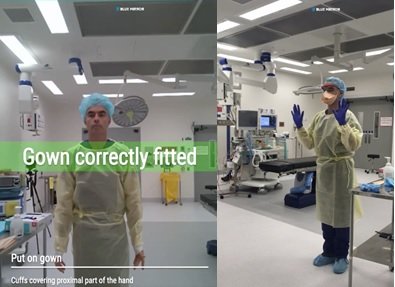
Integrating MEG's cutting-edge Quality, Compliance, and Patient Safety software with Blue Mirror’s virtual PPE Trainer is more than an advancement; it's a transformation. The AI-driven virtual mirror provides immediate, corrective feedback, guiding healthcare workers to perfect their PPE practices in real-time. This isn't just about checking boxes; it's about ensuring that frontline healthcare workers have the knowledge and skills to protect themselves and their patients effectively.

Informed Decisions with Data-Driven Insights

Data is the currency of improvement, and this partnership is rich in it. By harnessing the comprehensive data analysis capabilities of MEG's software, facilities can now dig deeper into their compliance strategies. This means the decision-making process is informed, strategic, and proactive, leading to better outcomes for all involved.

Efficiency in Training: A New Standard

Training healthcare workers on proper PPE usage has always been critical, but with this integrated approach, it becomes more efficient. The immediate feedback from the AI Trainer shortens the learning curve, ensuring that the healthcare staff are not just trained but are PPE-competent. The result is a more confident, safer workforce ready to face the challenges of patient care head-on.

Unified Reporting for Simplified Compliance

One of the most daunting aspects of compliance management is the disparate nature of data. MEG's software serves as a centralised hub, integrating the data from Blue Mirror's AI PPE Trainer into a user-friendly dashboard. This seamless integration means that data isn't just available; it's readily actionable.

As we look towards the future of healthcare, it’s clear that integrating MEG's software with Blue Mirror's AI technology isn't just a step forward — it's a leap into a new dimension of infection control and safety, positioning both companies at the forefront of this important innovation.

Healthcare facilities looking to stay ahead of the curve in patient and staff safety need not wait any longer. The future is here, and it's ready to be deployed. Contact MEG today for more information on how this partnership can benefit your facility.

Stay Ahead of the Game

The healthcare landscape is constantly evolving, and staying informed is key to maintaining a competitive edge. For more insights into healthcare innovation and compliance strategies, subscribe to our newsletter and join the conversation with industry leaders shaping the future of patient safety.