Media Release: M42 selects MEG Software for Care Quality Management Across its Healthcare Facilities

For Immediate Release

Date: 01.02.24

Abu Dhabi, 1 February 2024: M42, a first-of-its-kind global health-tech powerhouse headquartered in Abu Dhabi, has signed a five-year contract to implement MEGโ€™s healthcare quality management software system across its healthcare facilities in the UAE. This partnership highlights M42โ€™s dedication to maintaining the highest standards of quality and compliance processes across its healthcare facilities, further enhancing patient care and streamlining administrative tasks for staff.

MEGโ€™s integrated digital tools revolutionise healthcare quality management, enabling healthcare providers to connect all the key components for the governance of care quality, compliance and patient safety in one central location. Through interoperable, user-friendly mobile and cloud-based technology, MEG aims to eliminate onerous paperwork for staff, allowing them to continue delivering quality patient care.

MEGโ€™s innovative QMS system will centralise healthcare audit, incident, risk, patient experience and document management processes, replacing paper workflows with real-time reports and action plans for leadership and frontline staff. This transformation is expected to result in significant time and cost savings while providing comprehensive visibility into performance and risk management across the organisation.

MEGโ€™s role in streamlining operations aligns with M42โ€™s vision to employ pioneering technology-driven healthcare solutions to enhance patient care and well-being and provide the highest level of personalised precision and preventative health-tech solutions.

Ashish Koshy, M42โ€™s Group Chief Operating Officer, said: โ€œThis partnership underscores our commitment to pushing the boundaries of healthcare technology for the benefit of our patients and the entire community we serve. Our strategy involves leveraging technology not as a mere tool but as a transformative force in co-designing the future of sustainable health. By harnessing MEG's solutions, we will continue to revolutionise the patient experience, enhance quality of care and empower our dedicated staff.โ€

MEGโ€™s CEO, Kerrill Thornhill, shared his thoughts on the collaboration, saying, โ€œWe're delighted to partner with M42, a leading global health-tech company, and share our dedication to improving quality and patient safety. Our collaboration on best-in-class quality management systems will undoubtedly lead to better patient outcomes and drive process improvements across the organisation.โ€

In addition to this landmark contract, MEG is gearing up to elevate healthcare technology in 2024 with a comprehensive series of platform enhancements. These will include advanced analytics capabilities, state-of-the-art action planning tools, and enhanced hospital system integration capabilities. These advancements underscore MEG's commitment to continual improvement in healthcare quality, patient safety, and compliance technology, solidifying its position as a leader in healthcare innovation.

The official signing of this collaboration took place at Arab Health on 31 January at the M42 stand.

For further information regarding MEG and its services, please visit https://www.megit.com/ or contact;

Name: Edel Churchill

Phone: +353(0)831 96 1848

Email: press@megit.com

โ€“

About MEG

MEG is a digital quality management system for healthcare. Its suite of configurable mobile and cloud-based tools enables providers to engage staff in quality improvement, patient safety and manage compliance with accreditation or regulatory standards.

The easy-to-use modules can be used on any device by frontline workers to collect data from all over an organisation. Capture incidents, audits, risk assessments, and access information anytime right at the point of care.

Management can collate, analyse and act upon real-time information and metrics across multiple sites, consolidating data into a centralised platform.

MEG is currently in operation in more than 20 countries across Europe, the Middle East, Australasia and Latin America with multi-lingual support.

About M42

M42 is a first-of-its-kind global tech-enabled health powerhouse committed to the sustainable future of health. The Abu Dhabi-headquartered company is transforming lives through innovative clinical solutions that are solving the worldโ€™s most critical health and diagnostic challenges. By harnessing innovative solutions and unique medical and data-centric technologies, including genomics and AI, M42 is delivering the highest level of personalized, precise, and preventative care to impactfully disrupt the global healthcare ecosystem.

M42 has over 20,000 employees and more than 450 facilities in 26 countries. Established in 2022, following the coming together of G42 Healthcare and Mubadala Health, M42 combines unique medical and data-centric technologies with state-of-the-art facilities to deliver world-class care.

M42 owns and manages an integrated portfolio of health-tech and healthcare service providers including Diaverum, G42 Healthcare, Cleveland Clinic Abu Dhabi, Imperial College London Diabetes Centre and Moorfields Eye Hospital Abu Dhabi, among others.

###

M42 ุชุชุนุงู‚ุฏ ู…ุน "ุฅู… ุฅูŠ ุฌูŠ" ู„ุชุญุณูŠู† ุฅุฏุงุฑุฉ ุฌูˆุฏุฉ ุงู„ุฑุนุงูŠุฉ ุถู…ู† ู…ุฑุงูู‚ู‡ุง ู„ู„ุฑุนุงูŠุฉ ุงู„ุตุญูŠุฉ

ุฃุจูˆุธุจูŠุŒ ุงู„ุฅู…ุงุฑุงุช ุงู„ุนุฑุจูŠุฉ ุงู„ู…ุชุญุฏุฉุŒ xx ูŠู†ุงูŠุฑ 2024: ุฃุนู„ู†ุช M42ุŒ ุดุฑูƒุฉ ุฑุงุฆุฏุฉ ู‡ูŠ ุงู„ุฃูˆู„ู‰ ู…ู† ู†ูˆุนู‡ุง ููŠ ู…ุฌุงู„ ุงู„ุตุญุฉ ุชุณุนู‰ ู„ุฅุนุงุฏุฉ ุตูŠุงุบุฉ ู…ุณุชู‚ุจู„ ุงู„ุตุญุฉ ุจุงุณุชุฎุฏุงู… ุฃุญุฏุซ ุงู„ุชู‚ู†ูŠุงุชุŒ ุนู† ุชูˆู‚ูŠุน ุนู‚ุฏ ู„ู…ุฏุฉ ุฎู…ุณ ุณู†ูˆุงุช ู„ุชุทุจูŠู‚ ุงู„ู†ุธุงู… ุงู„ุจุฑู…ุฌูŠ ู„ุดุฑูƒุฉ "ุฅู… ุฅูŠ ุฌูŠ" MEG ู„ุฅุฏุงุฑุฉ ุฌูˆุฏุฉ ุงู„ุฑุนุงูŠุฉ ุงู„ุตุญูŠุฉ ุถู…ู† ุฌู…ูŠุน ู…ุฑุงูู‚ู‡ุง ู„ู„ุฑุนุงูŠุฉ ุงู„ุตุญูŠุฉ ููŠ ุฏูˆู„ุฉ ุงู„ุฅู…ุงุฑุงุช. ูˆุชุณู„ุท ู‡ุฐู‡ ุงู„ุดุฑุงูƒุฉ ุงู„ุถูˆุก ุนู„ู‰ ุงู„ุชุฒุงู… M42 ุจุงู„ุญูุงุธ ุนู„ู‰ ุฃุฑู‚ู‰ ู…ุนุงูŠูŠุฑ ุฌูˆุฏุฉ ุงู„ุฑุนุงูŠุฉ ูˆูƒูุงุกุฉ ุงู„ุนู…ู„ูŠุงุช ุถู…ู† ูƒุงูุฉ ุฃุตูˆู„ู‡ุงุŒ ุจู…ุง ูŠุนุฒุฒ ู…ู† ุฌูˆุฏุฉ ุฑุนุงูŠุฉ ุงู„ู…ุฑุถู‰ ูˆูŠุจุณุท ุงู„ู…ู‡ุงู… ุงู„ุฅุฏุงุฑูŠุฉ ุจุงู„ู†ุณุจุฉ ู„ูƒูˆุงุฏุฑ ุงู„ุนู…ู„.

ูˆุชุนุชุจุฑ ุงู„ุฃุฏูˆุงุช ุงู„ุฑู‚ู…ูŠุฉ ุงู„ู…ุฏู…ุฌุฉ ุงู„ุชูŠ ุชูˆูุฑู‡ุง "ุฅู… ุฅูŠ ุฌูŠ" ุจู…ุซุงุจุฉ ู†ู‚ู„ุฉ ู†ูˆุนูŠุฉ ููŠ ู…ู†ู‡ุฌูŠุฉ ุฅุฏุงุฑุฉ ุฌูˆุฏุฉ ุงู„ุฑุนุงูŠุฉ ุงู„ุตุญูŠุฉุŒ ุฅุฐ ุชูู…ูƒู† ู…ู‚ุฏู…ูŠ ุงู„ุฑุนุงูŠุฉ ู…ู† ุฑุจุท ุฌู…ูŠุน ุงู„ู…ูƒูˆู†ุงุช ุงู„ุฑุฆูŠุณูŠุฉ ู„ุญูˆูƒู…ุฉ ุฌูˆุฏุฉ ุงู„ุฑุนุงูŠุฉุŒ ูˆุชุนุฒูŠุฒ ู…ุณุชูˆูŠุงุช ุงู„ุงู…ุชุซุงู„ ูˆุณู„ุงู…ุฉ ุงู„ู…ุฑุถู‰ ูˆูƒู„ ุฐู„ูƒ ุถู…ู† ู…ูˆู‚ุน ุจุฑู…ุฌูŠ ู…ูˆุญุฏ. ูˆู…ุน ุชูˆููŠุฑู‡ุง ู„ู„ุชู‚ู†ูŠุงุช ุงู„ุณุญุงุจูŠุฉ ุงู„ู…ุชู†ู‚ู„ุฉ ูˆุณู‡ู„ุฉ ุงู„ุงุณุชุฎุฏุงู… ูˆุงู„ู‚ุงุจู„ุฉ ู„ู„ุชุดุบูŠู„ ุงู„ุจูŠู†ูŠุŒ ุชู‡ุฏู "ุฅู… ุฅูŠ ุฌูŠ" ู„ุฅู„ุบุงุก ุงู„ุฃุนู…ุงู„ ุงู„ูˆุฑู‚ูŠุฉ ุงู„ุชูŠ ุชุซู‚ู„ ูƒุงู‡ู„ ุงู„ูƒูˆุงุฏุฑ ุงู„ุฅุฏุงุฑูŠุฉุŒ ู„ูŠุชู…ูƒู†ูˆุง ู…ู† ู…ูˆุงุตู„ุฉ ุชุนุฒูŠุฒ ุฌูˆุฏุฉ ุงู„ุฑุนุงูŠุฉ ุงู„ู…ู‚ุฏู…ุฉ ู„ู„ู…ุฑุถู‰.

ูˆุณูŠุนู…ู„ ู†ุธุงู… "ุฅู… ุฅูŠ ุฌูŠ" ุงู„ู…ุจุชูƒุฑ ู„ุฅุฏุงุฑุฉ ุงู„ุฌูˆุฏุฉ ุนู„ู‰ ุฅุถูุงุก ุทุงุจุน ู…ุฑูƒุฒูŠ ุนู„ู‰ ุนู…ู„ูŠุงุช ุชุฏู‚ูŠู‚ ุฎุฏู…ุงุช ุงู„ุฑุนุงูŠุฉ ุงู„ุตุญูŠุฉ ูˆุงู„ุญูˆุงุฏุซ ูˆุงู„ู…ุฎุงุทุฑ ูˆุชุฌุฑุจุฉ ุงู„ู…ุฑุถู‰ ูˆุนู…ู„ูŠุงุช ุฅุฏุงุฑุฉ ุงู„ู…ู„ูุงุชุŒ ู…ุณุชุจุฏู„ุงู‹ ู…ุณุงุฑุงุช ุงู„ุนู…ู„ ุงู„ูˆุฑู‚ูŠุฉ ุงู„ุชู‚ู„ูŠุฏูŠุฉ ุจุขู„ูŠุฉ ู…ุจุงุดุฑุฉ ู„ุฅุนุฏุงุฏ ุงู„ุชู‚ุงุฑูŠุฑ ูˆุฎุทุท ุงู„ุนู…ู„ ู„ูŠุณุชููŠุฏ ู…ู†ู‡ุง ู‚ุงุฏุฉ ุงู„ู…ุคุณุณุฉ ูˆูุฑู‚ ุนู…ู„ู‡ุง ุจุดูƒู„ ูŠุนุฒุฒ ู…ู† ูƒูุงุกุฉ ุงู„ุนู…ู„ ุจุงู„ู…ุฌู…ู„. ูˆู…ู† ุงู„ู…ุชูˆู‚ุน ู„ู‡ุฐุง ุงู„ุชุญูˆู„ ุฃู† ูŠุซู…ุฑ ุนู† ุชู‚ู„ูŠุต ูƒุจูŠุฑ ููŠ ุงู„ูˆู‚ุช ูˆุงู„ุชูƒู„ูุฉุŒ ุชุฒุงู…ู†ุงู‹ ู…ุน ุชูˆููŠุฑ ุฑุคูŠุฉ ูˆุงุถุญุฉ ุญูˆู„ ุงู„ุฃุฏุงุก ูˆุฅุฏุงุฑุฉ ุงู„ู…ุฎุงุทุฑ ุถู…ู† ุดุชู‰ ู…ูุงุตู„ ุนู…ู„ ุงู„ู…ุคุณุณุฉ.

ูˆุชู†ุณุฌู… ู…ุณุงุนูŠ "ุฅู… ุฅูŠ ุฌูŠ" ุงู„ุฑุงู…ูŠุฉ ู„ุชุจุณูŠุท ุงู„ุนู…ู„ูŠุงุช ู…ุน ุฑุคูŠุฉ M42 ู„ุชุณุฎูŠุฑ ู‚ุฏุฑุงุช ุญู„ูˆู„ ุงู„ุฑุนุงูŠุฉ ุงู„ุตุญูŠุฉ ุงู„ู…ุจุชูƒุฑุฉ ุงู„ู…ุฏุนูˆู…ุฉ ุจุงู„ุชู‚ู†ูŠุงุช ุงู„ู…ุชู‚ุฏู…ุฉ ู„ุชุญุณูŠู† ุณุจู„ ุฑุนุงูŠุฉ ุงู„ู…ุฑุถู‰ ูˆุชุนุฒูŠุฒ ุฑูุงู‡ู‡ู…ุŒ ูุถู„ุงู‹ ุนู† ุชู‚ุฏูŠู… ุฃูุถู„ ุญู„ูˆู„ ุงู„ุชู‚ู†ูŠุงุช ุงู„ุตุญูŠุฉ ู„ู„ุฑุนุงูŠุฉ ุงู„ุดุฎุตูŠุฉ ุงู„ุฏู‚ูŠู‚ุฉ ูˆุงู„ูˆู‚ุงุฆูŠุฉ.

ูˆููŠ ู‡ุฐุง ุงู„ุณูŠุงู‚ุŒ ู‚ุงู„ ุฃุดูŠุด ูƒูˆุดูŠุŒ ุฑุฆูŠุณ ุงู„ุนู…ู„ูŠุงุช ุงู„ุชุดุบูŠู„ูŠุฉ ู„ู„ู…ุฌู…ูˆุนุฉ ููŠ ุดุฑูƒุฉ M42: " ุชุฃุชูŠ ู‡ุฐู‡ ุงู„ุดุฑุงูƒุฉ ู„ุชู…ุซู„ ุฏู„ุงู„ุฉ ุนู„ู‰ ุงู„ุชุฒุงู…ู†ุง ุงู„ุฑุงุณุฎ ุจุงู„ุงุฑุชู‚ุงุก ุจุชู‚ู†ูŠุงุช ุงู„ุฑุนุงูŠุฉ ุงู„ุตุญูŠุฉ ุจุดูƒู„ ูŠุนูˆุฏ ุจุงู„ู†ูุน ุนู„ู‰ ุงู„ู…ุฑุถู‰ ูˆุฌู…ูŠุน ุฃูุฑุงุฏ ุงู„ู…ุฌุชู…ุนุงุช ุงู„ุชูŠ ู†ุฎุฏู…ู‡ุง. ูˆุชู†ุทูˆูŠ ุงุณุชุฑุงุชูŠุฌูŠุฉ ุนู…ู„ู†ุง ุนู„ู‰ ุชุณุฎูŠุฑ ู‚ุฏุฑุงุช ุงู„ุชูƒู†ูˆู„ูˆุฌูŠุงุŒ ู„ูŠุณ ุจูˆุตูู‡ุง ู…ุฌุฑุฏ ุฃุฏุงุฉ ู†ุนุชู…ุฏ ุนู„ูŠู‡ุงุŒ ุจู„ ูƒู‚ูˆู‘ุฉ ุฏุงูุนุฉ ุชู„ุนุจ ุฏูˆุฑุงู‹ ุฑุฆูŠุณูŠุงู‹ ููŠ ุงุณุชุดุฑุงู ู…ุณุชู‚ุจู„ ุงู„ุตุญุฉ. ูˆุจุงู„ุงุนุชู…ุงุฏ ุนู„ู‰ ุญู„ูˆู„ โ€™ุฅู… ุฅูŠ ุฌูŠโ€˜ ุงู„ู…ุชู‚ุฏู…ุฉุŒ ู†ู…ุถูŠ ุจู…ุณุงุนูŠู†ุง ู„ุฅุญุฏุงุซ ู†ู‚ู„ุฉ ู†ูˆุนูŠุฉ ููŠ ุชุฌุฑุจุฉ ุงู„ู…ุฑุถู‰ุŒ ูˆุชุญุณูŠู† ุฌูˆุฏุฉ ุงู„ุฑุนุงูŠุฉ ูˆุชู…ูƒูŠู† ูุฑู‚ ุนู…ู„ู†ุง ู…ู† ู…ุฒุงูˆู„ุฉ ุฃุนู…ุงู„ู‡ู… ุจุฃุณู„ูˆุจ ุฃูƒุซุฑ ูƒูุงุกุฉ ูˆุจุณุงุทุฉ".

ูˆุญูˆู„ ู‡ุฐุง ุงู„ุชุนุงูˆู†ุŒ ุฃุถุงู ูƒูŠุฑูŠู„ ุซูˆุฑู†ูŠู„ุŒ ุงู„ุฑุฆูŠุณ ุงู„ุชู†ููŠุฐูŠ ู„ุดุฑูƒุฉ "ุฅู… ุฅูŠ ุฌูŠ": "ุชุณุนุฏู†ุง ุงู„ุดุฑุงูƒุฉ ู…ุน M42ุŒ ุงู„ุดุฑูƒุฉ ุงู„ุฑุงุฆุฏุฉ ููŠ ุงู„ุชู‚ู†ูŠุงุช ุงู„ุตุญูŠุฉุŒ ูˆุชุชู‚ุงุณู… ู…ุนู†ุง ุฐุงุช ุงู„ุงู„ุชุฒุงู… ุจุชุญุณูŠู† ุฌูˆุฏุฉ ุฑุนุงูŠุฉ ุงู„ู…ุฑุถู‰ ูˆุชุนุฒูŠุฒ ุณู„ุงู…ุชู‡ู…. ูˆู„ุงุดูƒ ุจุฃู† ุชุนุงูˆู†ู†ุง ู‡ุฐุง ููŠ ุฅุทุงุฑ ุฃูุถู„ ุฃู†ุธู…ุฉ ุฅุฏุงุฑุฉ ุงู„ุฌูˆุฏุฉ ู…ู† ูุฆุชู‡ุง ุณูŠู‚ูˆุฏ ุจุงู„ุชุฃูƒูŠุฏ ู†ุญูˆ ุชุญู‚ูŠู‚ ู†ุชุงุฆุฌ ุฃูุถู„ ู„ู„ู…ุฑุถู‰ุŒ ูุถู„ุงู‹ ุนู† ุฏูุน ุนุฌู„ุฉ ุชุญุณูŠู† ุงู„ุนู…ู„ูŠุงุช ุถู…ู† ูƒุงูุฉ ู…ูุงุตู„ ุงู„ู…ุคุณุณุฉ".

ูˆุฅุถุงูุฉ ู„ุชูˆู‚ูŠุน ู‡ุฐุง ุงู„ุนู‚ุฏ ุงู„ู‡ุงู…ุŒ ุชุณุชุนุฏ "ุฅู… ุฅูŠ ุฌูŠ" ู„ู„ุงุฑุชู‚ุงุก ุจุชู‚ู†ูŠุงุช ุงู„ุฑุนุงูŠุฉ ุงู„ุตุญูŠุฉ ููŠ ุนุงู… 2024 ู†ุญูˆ ุขูุงู‚ ุฃูƒุซุฑ ุฑุญุงุจุฉุŒ ู…ุน ุฅุทู„ุงู‚ ุณู„ุณู„ุฉ ู…ู† ุงู„ุชุญุณูŠู†ุงุช ุงู„ุดุงู…ู„ุฉ ุนู„ู‰ ุงู„ู…ู†ุตุฉ. ูˆุณุชุบุทูŠ ู‡ุฐู‡ ุงู„ุชุญุฏูŠุซุงุช ู‚ุฏุฑุงุช ุงู„ุชุญู„ูŠู„ ุงู„ู…ุชู‚ุฏู…ุฉุŒ ูˆุฃุฏูˆุงุช ุฎุทุท ุงู„ุนู…ู„ ุงู„ุณุจุงู‚ุฉุŒ ูˆุชุญุณูŠู† ุฅู…ูƒุงู†ุงุช ุชูƒุงู…ู„ ุฃู†ุธู…ุฉ ุงู„ู…ุณุชุดููŠุงุช. ูˆุชุคูƒุฏ ู‡ุฐู‡ ุงู„ุชุทูˆุฑุงุช ุนู„ู‰ ุงู„ุชุฒุงู… "ุฅู… ุฅูŠ ุฌูŠ" ุจุชุญุณูŠู† ุฌูˆุฏุฉ ุงู„ุฑุนุงูŠุฉ ุงู„ุตุญูŠุฉ ุจุงุณุชู…ุฑุงุฑุŒ ูˆุชุนุฒูŠุฒ ุณู„ุงู…ุฉ ุงู„ู…ุฑุถู‰ุŒ ูˆุชุทูˆูŠุฑ ุชู‚ู†ูŠุงุช ุงู„ุงู…ุชุซุงู„ุŒ ุจู…ุง ูŠุฑุณุฎ ู…ูƒุงู†ุชู‡ุง ุงู„ุฑูŠุงุฏูŠุฉ ููŠ ุงุจุชูƒุงุฑุงุช ุงู„ุฑุนุงูŠุฉ ุงู„ุตุญูŠุฉ.

ูˆุฃู‚ูŠู… ุญูู„ ุชูˆู‚ูŠุน ุงู„ุงุชูุงู‚ูŠุฉ ุงู„ุฑุณู…ูŠ ุนู„ู‰ ู‡ุงู…ุด ู…ุนุฑุถ ูˆู…ุคุชู…ุฑ "ุขุฑุงุจ ู‡ูŠู„ุซ" ูŠูˆู… 31 ูŠู†ุงูŠุฑ ุถู…ู† ู…ู†ุตุฉ M42 ุงู„ู…ุดุงุฑูƒุฉ ููŠ ุงู„ุญุฏุซ.

ู„ู„ู…ุฒูŠุฏ ู…ู† ุงู„ู…ุนู„ูˆู…ุงุช ุญูˆู„ "ุฅู… ุฅูŠ ุฌูŠ" ูˆุฎุฏู…ุงุชู‡ุง ูŠุฑุฌู‰ ุฒูŠุงุฑุฉ ุงู„ู…ูˆู‚ุน ุงู„ุฅู„ูƒุชุฑูˆู†ูŠ: https://www.megit.com/

-ุงู†ุชู‡ู‰-

ุญูˆู„ "M42"

M42 ุดุฑูƒุฉ ุฑุงุฆุฏุฉ ููŠ ู…ุฌุงู„ ุงู„ุตุญุฉ ู‡ูŠ ุงู„ุฃูˆู„ู‰ ููŠ ู†ูˆุนู‡ุง ุชุณุนู‰ ู†ุญูˆ ู…ุณุชู‚ุจู„ ู…ุณุชุฏุงู… ู„ู„ุตุญุฉ ุจุงุณุชุฎุฏุงู… ุฃุญุฏุซ ุงู„ุชู‚ู†ูŠุงุชุŒ ูˆู…ู‚ุฑู‡ุง ุฃุจูˆุธุจูŠ. ูˆู‡ูŠ ุชุณุนู‰ ู„ุฅุญุฏุงุซ ุชุญูˆู‘ูู„ ููŠ ุญูŠุงุฉ ุงู„ู†ุงุณ ุจุชู‚ุฏูŠู… ุญู„ูˆู„ ุณุฑูŠุฑูŠุฉ ู…ุจุชูƒุฑุฉ ู„ุฃุตุนุจ ุงู„ุชุญุฏูŠุงุช ุงู„ุชุดุฎูŠุตูŠุฉ ูˆุงู„ุตุญูŠุฉ ุงู„ุญุฑุฌุฉ ููŠ ุงู„ุนุงู„ู…. ูˆุจุชุณุฎูŠุฑ ู‡ุฐู‡ ุงู„ุญู„ูˆู„ ุงู„ู…ุจุชูƒุฑุฉ ูˆุงู„ุชู‚ู†ูŠุงุช ุงู„ุทุจูŠุฉ ุงู„ูุฑูŠุฏุฉ ุงู„ู…ุฑุชูƒุฒุฉ ุนู„ู‰ ุงู„ุจูŠุงู†ุงุชุŒ ูˆู…ู†ู‡ุง ุนู„ู… ุงู„ุฌูŠู†ูˆู… ูˆุงู„ุฐูƒุงุก ุงู„ุงุตุทู†ุงุนูŠุŒ ูˆุชู‚ุฏู‘ูู… M42 ุฃุนู„ู‰ ู…ุณุชูˆู‰ ู…ู† ุงู„ุฑุนุงูŠุฉ ุงู„ู…ุฎุตู‘ูŽุตุฉ ุงู„ุฏู‚ูŠู‚ุฉ ูˆุงู„ูˆู‚ุงุฆูŠุฉ ู„ุฅุญุฏุงุซ ู†ู‚ู„ุฉ ู†ูˆุนูŠุฉ ู…ุคุซุฑุฉ ููŠ ู…ู†ุธูˆู…ุฉ ุงู„ุฑุนุงูŠุฉ ุงู„ุตุญูŠุฉ ุงู„ุนุงู„ู…ูŠุฉ.

ู„ุฏู‰ M42 ุฃูƒุซุฑ ู…ู† 20 ุฃู„ู ู…ูˆุธู ูˆุฃูƒุซุฑ ู…ู† 450 ู…ุฑูู‚ู‹ุง ุทุจูŠู‹ุง ููŠ 26 ุฏูˆู„ุฉุ› ูˆู‚ุฏ ุชุฃุณุณุช ุนุงู… 2022 ุจุนุฏ ุงู†ุฏู…ุงุฌ ุฌูŠ42 ู„ู„ุฑุนุงูŠุฉ ุงู„ุตุญูŠุฉ ูˆู…ุจุงุฏู„ุฉ ู„ู„ุฑุนุงูŠุฉ ุงู„ุตุญูŠุฉ ู„ุชุตุจุญM42 ุดุฑูƒุฉ ุชุฌู…ุน ุจูŠู† ุงู„ุชู‚ู†ูŠุงุช ุงู„ุทุจูŠุฉ ุงู„ูุฑูŠุฏุฉ ุงู„ู…ุฑุชูƒุฒุฉ ุนู„ู‰ ุงู„ุจูŠุงู†ุงุช ูˆุฃุญุฏุซ ุงู„ู…ุฑุงูู‚ ุงู„ุทุจูŠุฉ ู„ุชู‚ุฏูŠู… ุฑุนุงูŠุฉ ุนุงู„ู…ูŠุฉ ุงู„ู…ุณุชูˆู‰.

ุชู…ุชู„ูƒ M42 ูˆุชุฏูŠุฑ ู…ุญูุธุฉ ู…ุชูƒุงู…ู„ุฉ ู…ู† ู…ู‚ุฏู…ูŠ ุฎุฏู…ุงุช ุงู„ุชู‚ู†ูŠุงุช ุงู„ุตุญูŠุฉ ูˆุงู„ุฑุนุงูŠุฉ ุงู„ุทุจูŠุฉุŒ ูˆู…ู†ู‡ุง: ุฏูŠุงููŠุฑู…ุŒ ูˆุฌูŠ42 ู„ู„ุฑุนุงูŠุฉ ุงู„ุตุญูŠุฉุŒ ูˆูƒู„ูŠูู„ุงู†ุฏ ูƒู„ูŠู†ูƒ ุฃุจูˆุธุจูŠุŒ ูˆู…ุฑูƒุฒ ุฅู…ุจุฑูŠุงู„ ูƒูˆู„ูŠุฏุฌ ู„ู†ุฏู† ู„ู„ุณูƒุฑูŠุŒ ูˆู…ุณุชุดูู‰ ู…ูˆุฑููŠู„ุฏุฒ ู„ู„ุนูŠูˆู† ุฃุจูˆุธุจูŠุŒ ูˆุบูŠุฑู‡ุง.

Interview with Pedro Delgado VP of IHI

Equity in Health, Technological Access, and Accreditation: In Conversation With Pedro Delgado, VP of IHI

In Conversation With Pedro Delgado, VP of IHI about Equity in Health, Technological Access, and Accreditation in LATAM

In an exclusive interview with MEG, Pedro Delgado, Vice President of the Institute for Healthcare Improvement (IHI), delved into equity and humanisation in healthcare in Latin America. The conversation shed light on the myriad challenges and promising opportunities the region faces in its pursuit of a more equitable and human-centric healthcare system.

Check the full video interview here

Global Mission and Equity

While discussing his leadership role at IHI, Pedro Delgado articulated the organisation's overarching mission to enhance health and healthcare services on a global scale. Emphasising the intrinsic value of equitable healthcare for all, irrespective of financial capacity, Delgado underscored equity as a foundational pillar in their approach. 

He succinctly summarised their mission, stating,

"Our mission is to improve health and healthcare services worldwide, including all populations. This refers not only to those who can pay but to the entire population, linking our work with equity."

Humanisation in Latin America

Addressing the concept of humanisation in Latin America, Delgado expressed enthusiasm for the autochthonous term used in the region. However, he raised a point about the need to remember humanisation in healthcare delivery, highlighting the significance of persistently advancing towards a more profound humanisation of health throughout the region.


"It is being used in very nice ways in Latin America, and I believe there is still much to be done to continue progressing on this path towards the deep humanisation of health in Latin America."


Challenges in Health Humanisation

When asked about the challenges in humanising healthcare, Delgado pointed to obstacles entrenched in the educational and hierarchical framework. He emphasised the need to overcome the pursuit of absolute solutions and a rigid hierarchical mentality, advocating for a departure from a culture of complaints. Delgado urged a shift towards a proactive stance, encouraging individuals to embrace their capacity for change. He identified these challenges and systemic imperfections as contributors to a pressurised healthcare environment.

"The major challenges we have as a health sector in the pursuit of humanisation are related to our understanding of what it means to educate and feel, and our approach to hierarchies."

"...to be protagonists of what is possible and not protagonists of complaints because those are options in leadership, one is to complain about everything that doesn't work, and the other is to understand that there are things that don't work, but we as individuals have the possibility to change some."


Measuring Inequality

Delgado addressed the importance of measuring equity in healthcare from three perspectives: organisational, clinical, and population health. He highlighted the importance of factoring in civility and effective human resource management within organisations, and accessibility, patient experiences, and clinical outcomes in the clinical domain.

"It is important to understand equity from civility, human resource management, access, experience, and clinical outcomes, as well as in population health, both for employees and surrounding communities."

"The journey towards equity requires us to listen more and listen better; if not, the likelihood of success will be much lower."


Technological Solutions and Impact

Regarding the use of technological solutions, Delgado acknowledged the possibilities technology offers to close equity gaps, especially in terms of access and listening. He illustrated two cases in Latin America, highlighting the use of telemedicine at the Albert Einstein Israelite Hospital in the Amazon and the successful implementation of virtual mental health services by the Fundaciรณn Santa Fe in Bogotรก, Colombia.

"Technology is the tool that opens up many possibilities to close equity gaps, especially in access and listening."


Accreditation Awareness

Delgado emphasised the importance of accreditation within the quality paradigm in healthcare. He identified barriers in terms of accreditation system limitations and costs while highlighting the importance of transparency and feedback in improving care quality. 

"Accreditation is part of quality assurance, but it is essential to address transparency and dare to receive feedback to improve."

"...with assurance also comes what is quality control, having standards under which we operate, so that we can provide an adequate service."

-Pedro Delgado, VP of IHI


In summary, this interview with Pedro Delgado provided valuable insights into the challenges and opportunities in the pursuit of more equitable and humanised healthcare in Latin America, highlighting the importance of technology, equity measurement, and quality awareness through accreditation.


Patient-Centered Care: Strategies and Tools for Effective Patient Feedback

This blog post is the first in the series "Elevating Patient Experience in 2024" โ€” a comprehensive guide where we discuss the various elements of patient experience, the role of tools like feedback forms, complaint forms, and surveys, strategies organisations can implement to create a holistic and positive care experience, MEG's Patient Experience Module, and more.


In recent years, the emphasis on patient-centered care has significantly increased, with healthcare systems across the globe recognising the pivotal role of patient experience and feedback in shaping the future of care delivery. Initiatives such as the NHS's Patient Safety Strategy and the ACSQHC's (Australian Commission on Safety and Quality in Health Care) collection of patient-reported experience measures (PREMs) and patient-reported outcome measures (PROMs), reflect this transformative shift.

This evolution marks the departure from the conventional healthcare model, where patients were passive recipients of care, toward a more collaborative approach that involves a culture of continuous learning and improvement by actively listening to and learning from patients' experiences.

Real-time patient feedback is emerging as a powerful instrument in supporting this transformation, offering healthcare organisations and providers valuable insights to enhance patient care. This blog post discusses why patient feedback is important, strategies to navigate resistance from staff and patients, and how MEGโ€™s patient feedback tool can be used within your organisation.


Why does patient feedback matter?

A survey conducted by Accenture revealed that two out of three healthcare consumers have had a negative experience with a provider, leading to serious consequences on health outcomes. In fact, 34% of the respondents said they were less likely to seek medical care the next time they needed it. This survey underscores the critical need to make care delivery more streamlined, empathetic, and effective.

Patient engagement stands as a cornerstone in achieving this. Involving patients as active participants in their care journey and encouraging them to share feedback establishes a foundation of trust, promoting open communication and transparency. This, in turn, helps foster a collaborative and positive relationship between healthcare providers and patients.

Recent research indicates that prioritising patients' preferences and feedback leads to better clinical outcomes, reduced healthcare costs, and improved care experience. Apart from this, patient feedback also facilitates:

  • Quality improvement: Analysing patient feedback gives healthcare organisations valuable insights into their strengths and weaknesses, allowing them to pinpoint areas needing improvement and implement measures to support it.

  • Identification of systemic issues: Examining patterns and trends in patient feedback helps organisations identify recurring problems and broken processes. For instance, if patients consistently report prolonged wait times at the clinic, this can indicate a systemic problem in the appointment scheduling process.

  • Innovation in healthcare delivery: Patient feedback is a catalyst for innovation in healthcare delivery. Organisations that actively collect and value patient feedback are more likely to use the insights to implement new technologies, processes, and care models to meet patient needs effectively. For example, suppose a clinic receives feedback regarding the inconvenience of in-person visits for follow-up check-ups. In that case, they can innovate care delivery by introducing virtual appointments that align with patient preferences, improving accessibility and convenience.


Overcoming resistance from staff and patients

While the benefits of patient feedback are evident, implementing a system to collect feedback may encounter resistance from both staff and patients. This can arise due to various factors, including fear of reprisal, time constraints, negative perceptions, and technological barriers. Overcoming this resistance requires a thoughtful approach โ€” one that addresses concerns while emphasising the positive impact on patient care. Here are a few strategies that organisations can implement:

1. Patient Education

  • Educating patients on the importance of their feedback plays a crucial role in overcoming resistance and fostering transparency, understanding, and trust. A few ways to go about this include:

  • Provide examples of how patient feedback has led to positive changes within the organisation to help them understand the tangible impact their inputs can have on improving care quality.

  • Encourage open and honest responses by providing them with the option to provide anonymous feedback, thus ensuring confidentiality.

  • Highlight the broader scope of the feedback process, i.e., that it is not solely for complaints but is a powerful tool for capturing positive and constructive insights that can be used to improve or personalise their own care plans.

  • Implement a user-friendly and accessible patient feedback platform that encourages active participation and ensures the entire process is quick, easy, and convenient.

2. Staff Engagement and Training

Engaging staff in the design and implementation of the patient feedback system instils a sense of ownership that can go a long way in overcoming resistance. Communicating the purpose of collecting patient feedback and emphasising its role in fostering a patient-centered approach is key.

We recommend leveraging professional development programs and comprehensive training sessions to educate staff on the importance of patient feedback, effective communication skills, best practices, and feedback collection and management methods. Further, ensure staff have access to all the necessary resources and tools, such as a digital patient feedback tool, to streamline the entire process.

Additionally, involving staff in decision-making processes related to feedback collection methods and tools and encouraging open communication promotes a sense of ownership and empowerment.

3. Integrate Feedback Collection into Existing Workflows:

Embedding the feedback collection process into existing workflows ensures that it becomes a natural part of staff's day-to-day activities, minimising the perception of additional burden, and ultimately resistance.

The key here is to design a feedback system that is time-efficient, secure, easy to use, and integrated with the greater quality management system for continuous improvement. You can even establish a feedback loop within the organisation, where staff can see the direct impact of the feedback they collect on improvements in patient care, in turn, reinforcing the value of their contribution.

4. Recognition and Incentives

Recognition and incentives serve as powerful motivators for staff to actively participate in the patient feedback process, as they convey the message that their efforts will be acknowledged and rewarded. It also promotes a positive organisational culture, builds team morale, and strengthens collaboration. Further, knowing their efforts directly contribute to positive patient outcomes and service improvements greatly diminishes resistance.


MEG's Patient Feedback Tool

A good patient feedback tool not only optimises the feedback collection process but also addresses potential resistance from staff by demonstrating the positive impact of collected feedback.

MEG's Patient Feedback Tool, an integral component of the Patient Experience Module, is a digital solution designed to streamline the entire patient feedback process. Featuring a user-friendly interface, customisable survey templates, integration with other quality management systems, multi-channel feedback collection, and automated reminders for pending surveys, this tool empowers both patients and staff to submit valuable feedback within minutes.

Curious to see the tool in action? Sign up for a demo now!


A Comprehensive Guide to PSIRF

In July 2019, NHS England and NHS Improvement launched the NHS Patient Safety Strategy for safer culture, systems, and patients. A part of this strategy was the development of the Patient Safety Incident Response Framework (PSIRF), published in August 2022, with implementation scheduled for the end of 2023. This piece is a comprehensive guide to PSIRF โ€” what it means, who it applies to, what organisations must do, and more.

What is PSIRF?

The Patient Safety Incident Response Framework (PSIRF) sets out the NHS's approach to developing and maintaining effective systems and processes for responding to patient safety incidents to learn and improve patient safety. PSIRF replaces the Serious Incident Framework (SIF) established in 2015.

The PSIRF supports the development and maintenance of an effective patient safety incident response system that integrates four key aims:

Why is PSIRF replacing the Serious Incident Framework?

Shortly after the Serious Incident Framework (SIF) was published, NHS England began receiving feedback from patients, families, and staff regarding their experiences with patient safety incident investigations. They felt that the process was closed and defensive rather than one that supported learning and improvement, as it was intended to do.

Despite providing resources on how to conduct investigations within organisations, there was no visible return on investment in terms of sustainable change and improvement, indicating challenges around the entire process.

In response, NHS England initiated public engagement activities to identify and address the root causes of these problems. The key issues identified were a lack of time and skills among NHS investigators, who often juggled these patient safety incident investigations alongside their regular responsibilities. Investigations were seen as a performance management tool with targets and strict deadlines, overshadowing the goal of positively impacting those affected by serious incidents.

NHS England and NHS Improvement used this information to determine how they could change processes and support their goal of effectively responding to patient safety incidents. This led them to PSIRF.

How is the PSIRF different from the SIF?

The PSIRF fundamentally shifts how the NHS responds to patient safety incidents for learning and improvement.

A key distinction between the Serious Incident Framework (SIF) and the PSIRF is that the latter does not differentiate between "patient safety incidents" and "serious incidents". By eliminating the "serious incidents" classification and its associated threshold, the PSIRF represents a significant change in how the NHS responds to patient safety incidents as a whole, and is a major step towards implementing comprehensive safety management systems across all organisations.

Another differentiator is that PSIRF is not an investigation framework that prescribes what to investigate. Instead, it advocates a co-ordinated and data-driven approach to patient safety incident response, focusing on compassionate engagement with those affected.

Under PSIRF, organisations are required to develop a thorough understanding of their patient safety incident profile, ongoing safety actions, and established improvement programmes.

Through the patient safety incident response planning exercise that involves providers and key stakeholders, the organisation can identify its capacity to respond to incidents, considering factors such as the availability of trained investigators, their time constraints, and the variety of response methods at their disposal. They can then determine an appropriate and proportionate response in the event of an incident.

In a nutshell, the PSIRF focuses on:

  • Improving the experience of those affected by an incident, be it the organisation's staff, patients, or their families.

  • Transitioning towards a considerate approach where organisations assess patient safety incidents to identify the most significant learning opportunities, understand ongoing improvement efforts, and only then determine an appropriate response.

  • Leveraging a broader, more effective range of methods to support insight gathering and learning rather than methods that assume simplistic, linear identification of a single cause.

  • Establishing effective governance structures and oversight processes to respond to patient safety incidents, through the collaborative efforts of all healthcare organisations that deliver and oversee NHS-funded care.

Who does the PSIRF apply to?

The PSIRF is a contractual requirement under the NHS Standard Contract and is mandatory for services provided under that contract, including acute, ambulance, mental health, community healthcare provider, maternity, and all specialised services.

Further, organisations that provide NHS-funded secondary care under the NHS Standard Contract but are not NHS trusts or foundation trusts are required to adopt the PSIRF for all aspects of NHS-funded care.

Primary care providers may also wish to adopt PSIRF, but it is not a mandatory requirement at this stage. Those wanting to use PSIRF within their organisation must work with their integrated care board (ICB).

What must organisations do?

Organisations are required to apply the PSIRF in the development and maintenance of the following:

1) Patient Safety Incident Response Policy: This defines the organisation's approach to responding to and learning from patient safety incidents for improvement. It includes information about the current systems, processes, and governance processes, engagement strategies for those affected by a patient safety incident, and how learning responses will be translated into improvement work across the organisation. You can access the national policy template here.

2) Patient Safety Incident Response Plan: Based on the organisation's patient safety incident profile, ongoing improvement priorities, available resources, and the priorities of all stakeholders, this document should specify the methods the organisation intends to use to maximise learning and improvement and how these will be applied to different patient safety incidents. You can access the national plan template here.

Both documents must align with the organisation's wider approach to safety improvement and should be published on the organisationโ€™s website.

How can organisations use the PSIRF?

As mentioned in the previous section, organisations must apply the PSIRF in developing and maintaining the Patient Safety Incident Response Policy and Plan. To help them with this, NHS England has put together the following documents:

  • A comprehensive preparation guide to implement the framework and templates for the local patient safety incident response policy and plan

  • Guidance on engaging and involving patients, families, and staff following a patient safety incident

  • Response planning and tools, guides, and report templates

  • Patient Safety Incident Response Standards, including training requirements

  • The roles and responsibilities of those overseeing incident response

You can find these resources here.

What is the PSIRF Learning Response Toolkit?

When working with early adopters, the team at NHS England found that there needed to be a shared understanding of a patient safety incident investigation. So, to create more awareness, they put together the PSIRF toolkit that contains a range of system-based approaches and national tools that incorporate the SEIPS (Systems Engineering Initiative for Patient Safety).

Organisations are encouraged to use the toolkit to explore the contributory factors to a patient safety incident or cluster of incidents and to inform improvement. Broadly, the PSIRF toolkit contains:

  • Preparation Tools: Typically done in the early stage of the learning response, this includes an information gathering log, stakeholder maps, and a template to help define the Terms of Reference (ToR) for an investigation.

  • Learning response methods: This includes the After Action Review, Multidisciplinary Review, Swarm Huddle, and the patient safety incident investigation overview.

  • Everyday work guides: Designed to support the exploration of how care is delivered day-to-day in the real world, this includes staff guidance on conducting empathetic, supportive interviews during learning responses, link analysis, and walkthrough analysis.

  • Additional tools: Some other tools available in the PSIRF toolkit are a thematic review tool, horizon scanning tool, timeline mapping, work system scan, SHARE debrief tool, and a safety action development guide to help providers identify areas of risk, actions to reduce them, and how to take the learning and translate it into meaningful action.

You can find these resources here.

What do early adopters of the PSIRF have to say?

NHS England interviewed some of the early adopters of the PSIRF within their organisation to understand their experience with the new framework and their advice to providers who are now implementing PSIRF. Here's what some of them had to say:

Lucy Winstanley, Head of Patient Safety and Quality, West Suffolk NHS Foundation Trust

According to Lucy, West Suffolk NHS Foundation Trust identified an opportunity for change with the PSIRF while recognising the limitations of the Serious Incident Framework. She attributes the successful implementation of PSIRF to the organisation's board, which demonstrated an early commitment, embraced change, and remained open to collective learning.

That said, the organisation faced the challenge of spending considerable time on quantitative investigations that weren't high quality. To overcome this, they recruited specialised patient safety incident investigators who brought a wealth of experience and a different approach, significantly improving staff and patient engagement in the process. This strategic move ensured better support, enhancing the overall effectiveness of the system.

Lucy's advice to those transitioning to the PSIRF:

"You have to approach it as a collective with the freedom to know that you are making a change and doing it for the right reason. Flexibility and appetite for change have to be the drivers here because it is very different from what you know already โ€” there will be questions and grey areas. Still, as a collective, if you're confident of your approach and keep patients at the heart of it all, it will be successful."

Megan Pontin, Patient Safety Incident Investigator, West Suffolk NHS Foundation Trust

Megan believes the PSIRF significantly differs from the Serious Incident Framework in many ways. Specifically, she finds involving patients, families, and staff right at the beginning of an investigation a game-changer.

Here's what Megan wants providers to bear in mind during the transition:

"Remember that this is quite a long journey, and you can't set it all out at the start. We all focus on doing the investigations correctly and learning from them. But the part about then transferring that into an improvement activity is perhaps the part that none of us had a strong framework on before. The PSIRF now allows us to do that, and that's where we need to focus."

Saranna Burges, Director for Patent Safety and Quality, Norfolk and Suffolk NHS Foundation Trust

According to Saranna, the PSIRF has empowered clinical staff to participate actively in every phase of the incident investigation process โ€” from the early screening or the review of the incident to the debriefing and decision-making. This involvement has fostered a sense of ownership and engagement among them, offering valuable insights into the range of incidents within the trust and their effects on patients and caregivers.

Saranna's advice for mental trusts who are now implementing the PSIRF is:

"Get it right from the start what you're looking to do. You're looking to target areas where you have the most care and treatment concerns, not areas where you have the most incidents. Although that has to feature in your decision-making, it's the areas of care and treatment you must focus on. Be prepared for the fact that it won't reduce the activity levels. You're just going to be doing something different."

Lisa Falconer, Head of Clinical Quality and Patient Safety, NHS Derby and Derbyshire ICB

Lisa believes that the adoption of the PSIRF has resulted in trusts becoming more targeted in their approach to improvement plans. They now aim to embed and sustain these plans within their organisation, as opposed to merely identifying actions and documenting them in an investigation report, never to be revisited.

Lisa's advice to ICB leads is:

"The key is to get providers together and work alongside them every step of the way, guiding and supporting them by ensuring their plans are fit for purpose. Make sure to do every part of the journey; make sure you do all of it to get the most out of the PSIRF."

How can MEG help?

MEG is an intuitive, cloud-based digital quality management system that supports engagement in care quality, safety, and compliance initiatives through incident and complaint activity tracking, effective policy and document management, and real-time reporting and analytics.

As an LFPSE-compliant and PSIRF-compatible vendor, MEG provides customisable workflows and tools for quality assurance and incident management.

Want to know more about how MEG can help you implement the PSIRF within your organisation? Get it touch! 

The Role of Advanced Healthcare Quality Management Solutions in KPI Management

In today's dynamic world of healthcare, the pursuit of high-quality care takes centre stage. Healthcare providers are tasked with delivering value-based care while ensuring patient safety and compliance with regulatory requirements. To help them achieve this and measure, manage, and enhance performance, healthcare institutions are increasingly turning towards Key Performance Indicators (KPIs).

Advanced healthcare quality management solutions have emerged as the unsung heroes of this mission, empowering organisations to create, monitor, and analyse KPIs with precision and efficiency. In this blog post, we'll explore the crucial role of modern QMS in KPI management and its contribution in achieving excellence in patient care.


Why Do Key Performance Indicators (KPIs) Matter?

KPIs aren't just mere numbers; they are critical markers or signposts that help healthcare providers and organisations assess the various aspects of healthcare delivery and evaluate how they're doing. They also serve as catalysts for the implementation of data-driven quality improvement strategies to enhance patient care.

For instance, tracking a KPI like the Hospital Acquired Infection (HAI) rate can help institutions identify infection hotspots, respond to outbreaks quickly, allocate resources better, and more.

That being said, legacy or paper-based quality management systems make it nearly impossible to track these KPIs. The abundance of fragmented data scattered across Excel spreadsheets, Google Drive, emails, and paper documents makes analysing data and deriving meaningful insights a Herculean task. It's like a jigsaw puzzle with no beginning and no end. That's where advanced healthcare quality management solutions come to the rescue, allowing organisations to create, measure, and understand these signposts, in turn, making healthcare better and safer.


Digital Quality Management Systems: The Game Changer

In a nutshell, an advanced healthcare quality management solution such as MEG helps with KPI management in three main ways:

1. Creation

Crafting Key Performance Indicators (KPIs) that align with your organisation's objectives and quality improvement efforts is the first crucial step in improving patient care. A comprehensive QMS provides valuable assistance in this regard by:

  • Providing industry-specific predefined templates that suggest KPIs based on best practices, regulatory standards, and the unique demands of healthcare settings. These templates act as a guide to help pinpoint the most relevant metrics to track.

  • Allowing seamless integration with various data sources such as clinical protocols and patient satisfaction surveys, in turn, simplifying the process of information gathering for accurate KPI measurement and analysis.

  • Providing the flexibility to modify or add new KPIs to align with shifting goals or emerging needs. This iterative approach ensures KPIs remain in sync with the organisation's evolving objectives.

2. Monitoring

Once Key Performance Indicators are defined, continuous monitoring is vital to assessing performance and identifying areas for improvement. An advanced healthcare quality management solution facilitates this through:

  • A centralised data repository or hub where information from various systems forms a single, reliable source of information, ensuring that the data for measuring KPIs is readily accessible and always up-to-date.

  • Real-time data capture that guarantees data is current and accurate, especially in the case of dynamic KPIs that require continuous monitoring.

  • Automated notifications and alerts when KPIs exceed predefined thresholds or targets. This ensures that any performance issues receive immediate attention and corrective actions.

3. Analysis and measurement

The analysis of Key Performance Indicators (KPIs) is the cornerstone of quality management in healthcare. Advanced quality management solutions excel in this aspect, providing a range of in-depth data analysis and visualisation tools that healthcare providers can use to deep-dive into performance metrics.

These features can generate a wealth of informative resources, including reports, interactive dashboards, historical data, and comparative data analysis, all of which are instrumental in helping healthcare organisations spot patterns, outliers, and areas needing attention.

This, in turn, allows organisations to gain the necessary knowledge to make informed, data-driven decisions, streamline processes, and refine strategies for patient care.


A Guide to Implementing Advanced Healthcare Quality Management Solutions

Are you ready to say goodbye to outdated legacy systems and embrace modern technology that can help your organisation revolutionise patient care, streamline operations, measure and monitor KPIs, and lead the charge in the ever-evolving world of healthcare? Then our whitepaper is for you.

Our whitepaper breaks down:

  • The key considerations to bear in mind when evaluating a new QMS from the myriad of solutions available

  • Best practices to help your organisation seamlessly adopt a new quality management system

  • What the end-to-end process of implementing a QMS looks like

  • Real-life case studies on how multi-site healthcare organisations replaced their legacy systems with MEG, the results from that transition, and more.

Download " Beyond Legacy Systems: The Path to Digital Transformation in Healthcare" now!

Transforming Healthcare: MEG and Blue Mirror Unite to Revolutionise PPE Training and Compliance


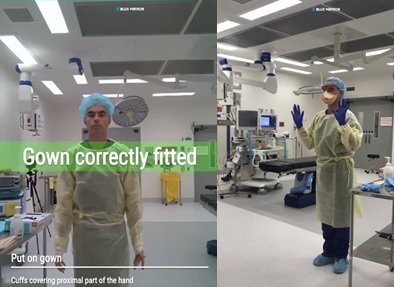
In healthcare, the safety of patients and staff is paramount. This is where the intersection of technology and healthcare compliance marks a new era โ€” one where artificial intelligence (AI) isn't just a buzzword but a practical tool for enhancing infection control and adherence to regulations. Enter the strategic partnership between MEG and Blue Mirror, a collaboration redefining the meaning of "compliance reimagined."

The Power of Real-Time AI in PPE Monitoring

Integrating MEG's cutting-edge Quality, Compliance, and Patient Safety software with Blue Mirrorโ€™s virtual PPE Trainer is more than an advancement; it's a transformation. The AI-driven virtual mirror provides immediate, corrective feedback, guiding healthcare workers to perfect their PPE practices in real-time. This isn't just about checking boxes; it's about ensuring that frontline healthcare workers have the knowledge and skills to protect themselves and their patients effectively.

Informed Decisions with Data-Driven Insights

Data is the currency of improvement, and this partnership is rich in it. By harnessing the comprehensive data analysis capabilities of MEG's software, facilities can now dig deeper into their compliance strategies. This means the decision-making process is informed, strategic, and proactive, leading to better outcomes for all involved.

Efficiency in Training: A New Standard

Training healthcare workers on proper PPE usage has always been critical, but with this integrated approach, it becomes more efficient. The immediate feedback from the AI Trainer shortens the learning curve, ensuring that the healthcare staff are not just trained but are PPE-competent. The result is a more confident, safer workforce ready to face the challenges of patient care head-on.

Unified Reporting for Simplified Compliance

One of the most daunting aspects of compliance management is the disparate nature of data. MEG's software serves as a centralised hub, integrating the data from Blue Mirror's AI PPE Trainer into a user-friendly dashboard. This seamless integration means that data isn't just available; it's readily actionable.

As we look towards the future of healthcare, itโ€™s clear that integrating MEG's software with Blue Mirror's AI technology isn't just a step forward โ€” it's a leap into a new dimension of infection control and safety, positioning both companies at the forefront of this important innovation.

Healthcare facilities looking to stay ahead of the curve in patient and staff safety need not wait any longer. The future is here, and it's ready to be deployed. Contact MEG today for more information on how this partnership can benefit your facility.

Stay Ahead of the Game

The healthcare landscape is constantly evolving, and staying informed is key to maintaining a competitive edge. For more insights into healthcare innovation and compliance strategies, subscribe to our newsletter and join the conversation with industry leaders shaping the future of patient safety.

Our final event of 2023 is the IHI Forum Orlando!

For our final event of 2023, we are going stateside to Orlando for the IHI Forum for 4 days of networking and learning. The event takes place from December 10th - 13th in Orlando World Center Marriott Resort & Convention Center, Orlando, Florida and will bring together over 3,500 attendees from more than 55 countries.

The 5 keynote speakers include the iconic activist, environmentalist and author Erin Brokovich, IHI President and CEO Kedar Mate and Olympian and Maternal Health Advocate Allyson Felix. There are over 160 sessions to choose from with a range of topics, some that stood out to us include;

  • Workforce and patient safety

  • Equity

  • Building improvement capability, and

  • Person centred care

MEG will be exhibiting on booth number 232 and our founder and CEO Kerrill and Head of Customer Success Helga, are really looking forward to meeting some familiar faces and making new connections with healthcare professionals who share our goal and commitment to Quality Improvement & Patient Safety.

Stop by our booth to learn how our end-to-end, digital Quality Management System helps healthcare organizations all around the world drive a culture of quality improvement and deliver great care. See for yourself how we can help put time back into your team's day for the most important aspects of the job.

Kerrill and Helga will be on hand to showcase our modules including, Incident Reporting and Risk Management, Audit Management, Action Planning, Document Management and much more. If you would like to arrange some time to meet with them at the event email us here with your details and suitable time and day. Alternatively, if you canโ€™t make the event and would like to learn more about MEG and arrange a call with a member of our team, you can arrange a demo call below.

Kerrill Thornhill

Helga Morrow

4 Strategies to Boost the Adoption of New Digital Quality Management Solutions in Healthcare Organisations

Today, healthcare organisations are undergoing an essential transformation by moving away from archaic paper-based and legacy quality management systems and embracing advanced, technology-driven solutions. Systems notorious for their manual processes, volumes of paper records, and time-consuming workflows are slowly but surely being replaced with modern software that streamlines processes and provides real-time data capture, analysis, and reporting.

This transition is vital because it empowers healthcare organisations across the globe to enhance care quality, improve patient safety, and ensure compliance with regulatory standards.

That being said, the shift from outdated systems to advanced digital quality management solutions in healthcare is more than just a matter of updating technology. It is a holistic change that impacts processes, people, and culture. The linchpin of success in this digital transformation journey is organisation-wide adoption. And that's where Nursing and Quality leaders emerge as important catalysts.

In this blog post, we will explore how Nursing and Quality leaders can lead the charge in the implementation and adoption of new digital quality management solutions within their organisation.

Choose the right software

While this may seem a no-brainer, finding and implementing a healthcare digital quality management solution that best aligns with your organisation's strategic and operational needs is critical to successful adoption. A recent Deloitte survey revealed that 80% of all digital transformation projects fail, with choosing the wrong solution being one of the key reasons. Though this statistic affects various sectors, extending well beyond healthcare, it underscores the significance of selecting the right digital tools from the get-go.

But what does 'choosing the right software' mean? In a nutshell, it means choosing a digital quality management solution specifically designed to meet the ever-evolving requirements of the healthcare industry. This includes features like configurability, scalability, security, and the ability to integrate with existing systems. We've covered this topic in detail in our whitepaper 'Beyond Legacy Systems: The Path to Digital Transformation'.

Another key feature to consider when evaluating software is User Experience (UX). Quality management systems with superior UX and an intuitive design largely eliminate the need for extensive frontline user training. An intuitive and user-friendly interface allows staff to confidently navigate the system, reducing the learning curve and expediting proficiency with the new software, ultimately, increasing adoption.

Pilot the new system

A pilot program refers to the testing of a new digital quality management solution on a smaller scale before committing to a full-scale implementation. This approach is great for risk mitigation, as it helps in the early identification of potential issues or vulnerabilities with the system, thereby reducing the risk of widespread problems in the future.

However, they can also be incredibly helpful in enhancing user adoption in the following ways:

  • A successful pilot program serves as proof of concept. When users see the benefits the new system brings to their daily work and how it fits into their existing workflows and processes, they are more likely to support its adoption.

  • Pilot programs help identify 'champions', a.k.a the enthusiastic early adopters who can positively influence their peers. Champions play a large role in encouraging staff to embrace the new system, in turn, boosting adoption rates.

  • Pilot programs allow for user testing and feedback. Staff who participate in the development and testing of the system can provide valuable feedback on how to make the system even better. Making the necessary adjustments and improvements will further increase the likelihood of user acceptance when fully deployed.

Create a thorough communication plan

Having a clear communication plan in place when rolling out a new digital quality management solution is crucial for many reasons. For starters, it ensures that everyone in the organisation, right from top-level management to frontline staff, receives consistent and factual information about the new system, in turn, eliminating confusion or misunderstanding. It is also a crucial component in change management to mitigate resistance and outline expectations, responsibilities, and timelines.

A thorough communication plan typically involves:

  • A kick-off meeting with senior leadership

  • Departmental meetings with middle management and frontline staff to discuss department-specific changes with the new QMS

  • Intranet and email updates to all staff on the progress of the implementation process and key milestones

  • Training workshops in the form of in-person sessions, online sessions, or self-paced modules for frontline staff on the new QMS, processes, and procedures

  • Feedback mechanisms through surveys, suggestion boxes, online forms, or a dedicated email address where staff can provide suggestions, highlight concerns, or report issues.

The key is to remember that effective communication is an ongoing process, and the communication plan may need to evolve to address new needs and challenges throughout the QMS implementation proces

Education and Training

One of the key factors in ensuring the adoption of a new digital quality management solution within an organisation is education and training. As mentioned earlier, while intuitive and user-friendly software minimises the learning curve, it is still important for Quality and Nursing Leaders to equip their teams with a deep understanding of the software, its benefits, and how to use it effectively.

Something that is often overlooked is the training of software administrators within the organisation. While the vendorโ€™s customer support team should always be responsive and available to handle any requests, the goal should be to ensure that the organisation is as self-sufficient as possible. Thus, it is crucial to train admins with the basic knowledge required to effectively manage and troubleshoot the system and support other staff members when needed.

Comprehensive training programs that cover all aspects of the QMS, from basic navigation to advanced features, hands-on workshops, online learning resources such as video tutorials and e-learning modules, and even peer-led training sessions, are all great ways to boost adoption. It's also equally important to keep staff informed about system updates and changes over time to ensure they use all the features effectively.

Want to learn more change management strategies?

Check out our latest whitepaper!


Media Release: Adeney Private First Asia Pacific Hospital to Engage Full MEG Quality Management System for Patient Care

Adeney Private Hospital

30 October 2023: The ground-breaking Adeney Private Hospital, a doctor-led venture with Medibank Private in Kew, Victoria, due to be completed in mid-2024, has announced it will be the first hospital in the Asia-Pacific region to implement the full suite of MEG Quality Management Systems for patient care.

The MEG system allows nursing and administrative staff to access apps and records at the point of care on devices so they can log incidents, complete audits and check policies at the time and place they need to without losing time or focus. For example, incidents can be logged as soon as they happen whereas with manual systems clinical staff will need to remember to write up incidents at the end of the day and forget or misremember some key details resulting in lost opportunities for system or process improvements. The system will also integrate with fellow Irish provider Oneview Healthcareโ€™s system allowing patients to provide feedback from their beds.

โ€œThe MEG system will mean the hospital is fully and always compliant from the very beginning,โ€ explains Adeney Private Hospital CEO Louise Oโ€™Connor. โ€œWith live access in their pockets, clinical staff can complete all of their forms on the go and we can be confident all paperwork is complete and up to date . This means audits will not be as onerous as they can be in traditional hospitals which can take up to 6 months to complete and up to $1m in staff time.

In addition, the mobile solution will help us provide the patient centred high quality care that is core to our vision as clinicians will have more time to spend bed-side with patientsโ€.


The MEG system was chosen for its cloud-based solution. โ€œAs a brand-new greenfield site, we have the amazing opportunity to do this differently and build in innovation from the ground up, โ€œsays Paul Gladwell, ICT Project Director, Adeney Private Hospital. โ€œWe donโ€™t want a big data centre footprint so the mobile-friendly and fully-cloud solution from MEG answers all our needs. In addition the MEG solutions covers a number of different requirements for us so it also reduces the number of systems we need to manageโ€.

MEGโ€™s ecosystem will integrate with the Hospitalโ€™s Patient Administration System to ensure minimum replication or duplication of data entry.

Kerrill Thornhill, MEG Founder and CEO adds โ€œ"We are thrilled to partner with Adeney Private, a forward-thinking organisation that recognises the transformative power of modern cloud solutions. Their strong digital focus aligns seamlessly with our commitment to providing user-friendly and mobile-optimised solutions, ensuring that healthcare professionals have the tools they need at their fingertips.

โ€œThanks to Enterprise Ireland, we connected with Adeney Private Hospital, distinguishing itself as the first in Australia to adopt all modules available in MEG's Quality & Patient Safety suite - including audit, incident, risk, document management, action planning, training, and patient experience. This partnership highlights our commitment to the Australian healthcare sector and the versatility of our platform, tailored to streamline Adeney's operations and reduce the number of separate systems they require.

In a market where many still rely on outdated systems, this collaboration positions MEG at the forefront of healthcare innovation in Australia. Our solutions, built in line with Australian health standards, signal a new era in the quality management of healthcare delivery."

Judith Harrington, Senior Market Advisor โ€“ Digital Technologies & Services for Enterprise Ireland who is supporting MEGโ€˜s entry into the Australian market comments: โ€œWe are delighted that such a state-of-the-art hospital is using two Irish partners MEG and Oneview to provide the best in support for patients and staff. We are very proud of the innovations Irish companies are making in digital healthcare and look forward to seeing that in action when Adeney opensโ€.

Medibank Private has plans to replicate the Adeney Private model across the Eastern seaboard. With its cloud-based model, the MEG system will be easy to rollout across new hospitals.

ENDS

Photo 1 Pictured at the site of the Adeney Private Hospital are from left to right: Mark Cox, MEG; Louise Oโ€™Connor, CEO, Adeney; Paul Gladwell, ICT Project Director, Adeney

Photo 2: Pictured left to right: Mark Cox, MEG; Louise Oโ€™Connor, CEO, Adeney; Paul Gladwell, ICT Project Director, Adeney; Judith Harrington, Senior Market Advisor, Enterprise Ireland

Media Enquiries:

Louise Nealon, Louise Nealon PR, 0403 569 177, louise@louisenealon.com

About MEG:

MEG is a cloud-based quality management system for healthcare. Its suite of integrated mobile/cloud-based tools enables providers to manage their care quality, patient safety, risk and compliance processes across multiple sites, bringing data into a centralised platform. megit.com

About Adeney Private Hospital:

Adeney Private Hospital is an exciting new way of thinking about health care. A joint venture between a group of doctors and Medibank Private, the hospital is majority owned by the doctors, providing, high quality, affordable healthcare. It will be the first hospital in Australia that aims not to charge insured patients any out of pocket expenses, across all specialities.

It is a short stay hospital, where both the prehab and rehab care are to be delivered outside the hospital, providing continuity for patients when they are discharged. adeneyprivate.com.au